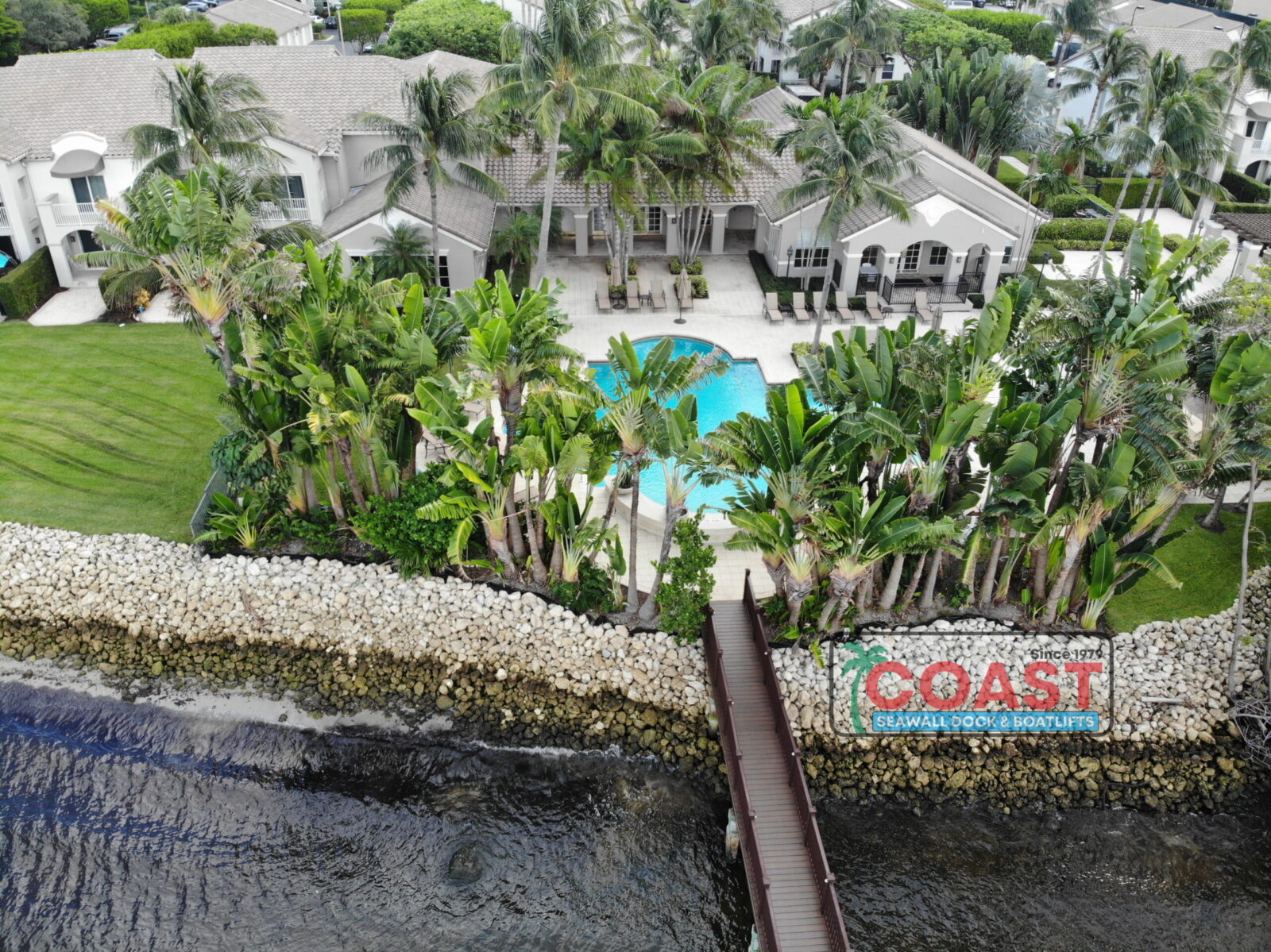
Creating a Strong Revetment Wall Design
Designing a robust revetment wall is critical for coastal protection. These structures serve as vital barriers, safeguarding shorelines from the relentless force of waves and erosion. As climate change continues to impact coastal areas, the demand for effective revetment wall designs has never been more pressing. This article delves into the key components of creating a resilient revetment wall.
Understanding Revetment Walls
Revetment walls are protective structures placed along shorelines to absorb the energy of incoming waves. They are typically constructed using large stones, concrete, or other durable materials. The fundamental purpose is to mitigate erosion and safeguard coastal infrastructures.
Key Functions of Revetment Walls
- Absorbing wave energy and reducing coastal erosion.
- Protecting infrastructure and properties from water damage.
- Stabilizing shorelines and maintaining coastal ecosystems.
For detailed insights into these functions, discover expert strategies here.
Design Considerations for Revetment Walls
Creating a robust revetment wall involves several critical design elements. Each component must be carefully considered to ensure the wall’s effectiveness in its environment.
Site Assessment
Before constructing a revetment wall, a thorough site assessment is essential. This involves analyzing the local topography, soil composition, and wave patterns. Understanding these factors helps in selecting appropriate materials and designs.
- Evaluate coastal erosion rates and wave impact.
- Identify potential environmental impacts and mitigation strategies.
- Consider the aesthetic integration with the surrounding landscape.
For more on how to tailor solutions to specific sites, learn about our tailored solutions.
Material Selection
The choice of materials significantly influences the durability and effectiveness of a revetment wall. Common materials include:
- Natural stone: Offers durability and blends aesthetically with the environment.
- Concrete: Provides robust protection but may require additional reinforcement.
- Geotextiles: Used as filters to prevent soil erosion behind the wall.
To explore advanced guides and tips on material selection, explore advanced guides and tips.
Construction and Maintenance
Once the design is finalized, the construction phase begins. Proper construction techniques ensure the longevity and effectiveness of the revetment wall.
Construction Techniques
- Layered placement of materials to enhance stability.
- Incorporating drainage systems to manage water flow.
- Ensuring proper anchoring of materials to withstand wave forces.
Regular maintenance is critical to address wear and tear and adapt to changing environmental conditions. Find out more about this approach here.
Environmental Considerations
Revetment walls, while protective, can impact natural habitats. It’s crucial to balance protection with ecological preservation.
- Design with minimal disruption to existing ecosystems.
- Incorporate native vegetation to support local biodiversity.
- Monitor and mitigate any negative environmental impacts post-construction.
Conclusion
Creating a strong revetment wall design requires careful planning, material selection, and construction techniques. By considering both the environmental impact and the specific needs of the site, it’s possible to develop a solution that protects coastlines effectively. For further exploration of strategies and solutions, consider visiting this comprehensive guide.