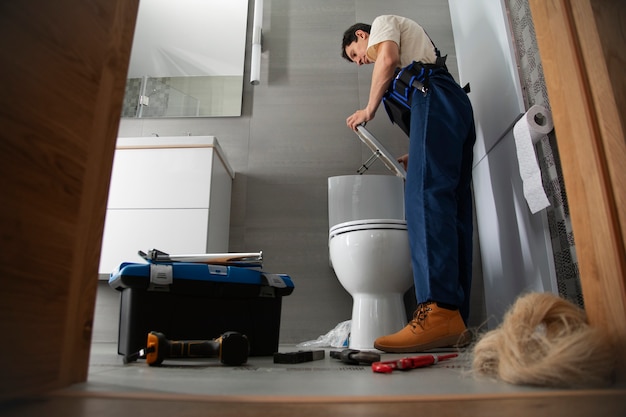
Water damage is a common yet often underestimated problem that can lead to significant issues if not addressed promptly and professionally. In Raleigh, a city prone to seasonal storms and occasional flooding, understanding the importance of professional water damage repair is crucial. Whether it’s a minor leak or extensive flood damage, timely intervention can save property owners considerable time and expense. Effective water damage repair involves assessment, mitigation, and restoration, each requiring a specific set of skills and expertise.
Understanding Water Damage and Its Impact
Water damage can result from various sources, including weather-related incidents, plumbing failures, or appliance malfunctions. The consequences can be severe, affecting the structural integrity of buildings and leading to potential health hazards such as mold growth.
- Structural damage to walls, ceilings, and floors.
- Electrical hazards due to water interference.
- Potential mold and mildew growth, posing health risks.
- Devaluation of property if not addressed promptly.
For those seeking to handle such challenges efficiently, it is vital to discover expert strategies here for effective water damage management.
The Process of Professional Water Damage Repair
Addressing water damage involves several critical steps, each requiring precision and expertise. A comprehensive approach ensures the problem is thoroughly resolved, preventing future complications.
Assessment and Inspection
The first step in the process is a detailed assessment to determine the extent and source of the damage. This involves:
- Identifying the type of water involved (clean, gray, or black).
- Evaluating the affected areas and materials.
- Developing a tailored action plan for repair and restoration.
For more insights into the assessment process, learn about our tailored solutions to water damage.
Water Removal and Drying
Once the assessment is complete, the next step is to remove the water and thoroughly dry the area. This step is crucial to prevent further damage and discourage mold growth.
- Utilizing advanced equipment such as pumps and vacuums for water extraction.
- Employing industrial-grade dehumidifiers and air movers for efficient drying.
- Monitoring moisture levels to ensure complete dryness.
To ensure effective water removal, explore advanced guides and tips on professional drying techniques.
Cleaning and Sanitizing
Sanitization is essential to eliminate contaminants and ensure a safe environment post-repair. This involves:
- Cleaning affected surfaces with specialized products.
- Disinfecting to remove bacteria and prevent mold.
- Deodorizing to eliminate any residual odors.
For more on maintaining a safe post-damage environment, find out more about this approach.
Choosing Professional Water Damage Repair Services in Raleigh
When selecting a water damage repair service, it’s important to consider several factors to ensure quality and reliability:
- Experience and expertise in handling various types of water damage.
- Availability of emergency services for urgent situations.
- Customer reviews and testimonials reflecting service quality.
- Use of modern equipment and techniques for efficient repair and restoration.
Professional services not only restore damaged property but also provide peace of mind by ensuring thorough cleanup and preventing future issues. To identify the best services available in Raleigh, discover expert strategies here and make an informed choice.
In conclusion, water damage repair is an essential service that requires professional expertise to address effectively. In Raleigh, where the risk of water damage can be elevated due to natural and man-made factors, understanding and employing professional repair strategies is vital for property preservation and safety. For comprehensive water damage solutions, exploring the available resources and services can significantly aid in mitigating risks and ensuring long-term protection.