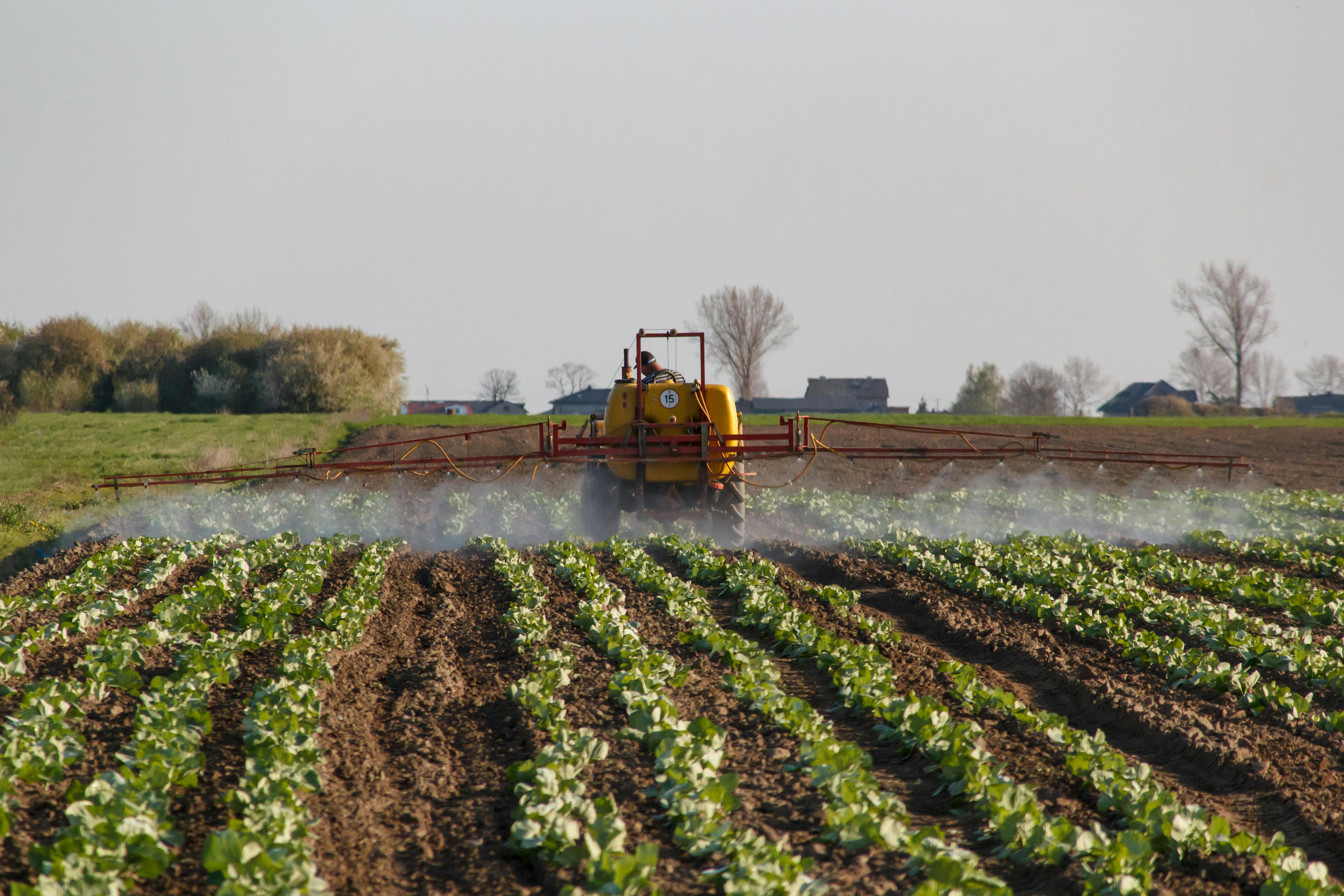
Irrigation sprinkler pods represent a sophisticated union of water management and agricultural science, designed to optimize water distribution and enhance crop yields. These devices are engineered to deliver precise amounts of water to crops, minimizing waste and promoting sustainable agriculture. As the global demand for efficient irrigation systems grows, understanding the underlying science behind these innovations is crucial for modern farming enterprises. This article delves into the mechanics of sprinkler pods, exploring their benefits, underlying technologies, and future potential in the agricultural sector.
Understanding Irrigation Sprinkler Pods
Sprinkler pods are compact irrigation units that distribute water in a controlled manner over large areas. They are part of a broader category of irrigation systems designed to maximize water efficiency and crop health. The core principle of sprinkler pods lies in their ability to mimic natural rainfall, allowing for even water distribution across fields.
Core Components
- Nozzles: These are engineered to disperse water uniformly, reducing runoff and soil erosion.
- Pressure Regulators: These devices maintain a consistent water pressure, ensuring optimal nozzle performance.
- Timers and Sensors: Advanced models incorporate timers and moisture sensors to automate watering schedules based on soil moisture levels.
The Science of Water Distribution
The effectiveness of irrigation sprinkler pods is largely attributed to their innovative design, which relies on hydraulic principles and fluid dynamics. When water flows through the system, it’s pressurized and expelled through nozzles in fine droplets, achieving an even spread akin to natural rainfall. This method not only conserves water but also prevents soil compaction and promotes healthy plant root development.
For those interested in optimizing their irrigation systems, explore advanced guides and tips on managing water distribution efficiently.
Benefits of Using Sprinkler Pods
The adoption of sprinkler pods in agricultural practices offers numerous advantages:
- Water Efficiency: By delivering water directly to the root zone, these systems reduce evaporation and surface runoff, conserving vital water resources.
- Improved Crop Yields: Consistent and adequate watering ensures that crops receive the nutrients they need, leading to better growth and yield.
- Labor Savings: With automated systems in place, the need for manual watering is significantly reduced, allowing farmers to focus on other critical tasks.
To learn about tailored solutions in irrigation, discover expert strategies here.
Emerging Technologies and Future Trends
As technology advances, the integration of smart technologies in sprinkler pods is anticipated to revolutionize the field of irrigation. The use of IoT (Internet of Things) devices allows for real-time monitoring and control, further enhancing water use efficiency. Additionally, AI-driven analytics can predict weather patterns and adjust irrigation schedules automatically.
For insights into how these advancements are transforming irrigation practices, find out more about this approach.
Conclusion
The science behind irrigation sprinkler pods marries precision engineering with sustainable agricultural practices. As water resources become increasingly scarce, the role of efficient irrigation systems becomes paramount. By leveraging the latest technologies and understanding the fundamental science, farmers can optimize their operations and contribute to global food security. For those looking to implement advanced irrigation strategies, learn about our tailored solutions.