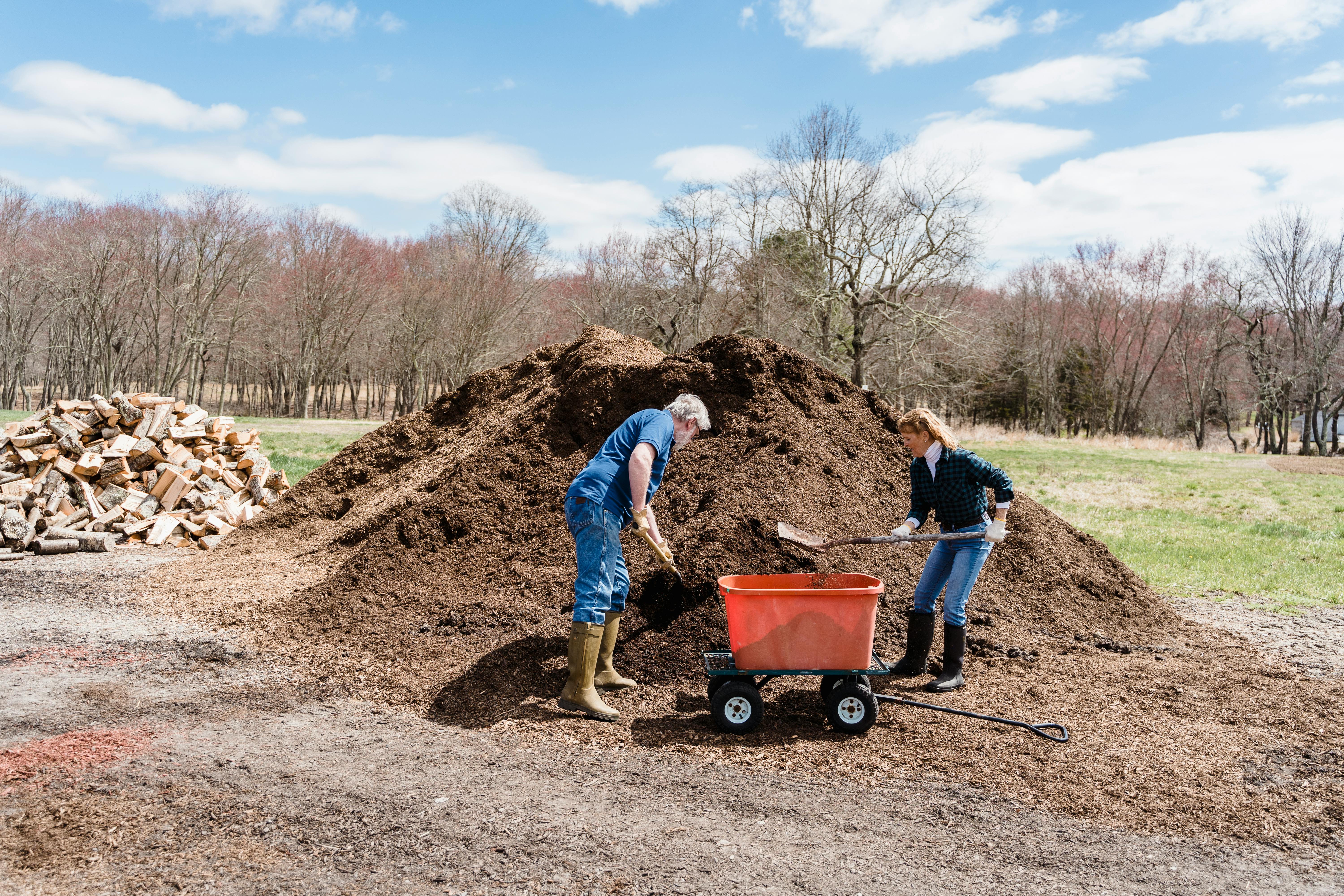
Gardening enthusiasts often seek sustainable and effective methods to enhance their garden’s health and aesthetics. One such method is the use of aged arborist mulch, a versatile and eco-friendly option that can significantly improve soil quality, suppress weeds, and enhance plant growth. This article delves into the numerous advantages of incorporating aged arborist mulch into garden maintenance practices, guiding homeowners and professional landscapers alike to make informed decisions that benefit both their gardens and the environment.
Understanding Aged Arborist Mulch
Aged arborist mulch is derived from the organic matter of trees and shrubs, processed by arborists during tree maintenance activities. This mulch is allowed to decompose over time, enriching it with beneficial nutrients. Here are some key benefits:
- Rich in organic material, enhancing soil fertility and structure.
- Helps in moisture retention, reducing the need for frequent watering.
- Suppresses weed growth, minimizing garden maintenance efforts.
- Provides a natural, aesthetically pleasing appearance to garden beds.
For those interested in a more in-depth understanding, discover expert strategies here to maximize the benefits of using this mulch type.
Environmental Benefits
The use of aged arborist mulch is not only beneficial for gardens but also for the environment. Its application supports sustainable gardening practices by:
- Recycling organic waste, reducing landfill contributions.
- Enhancing biodiversity by providing habitat for beneficial organisms.
- Reducing chemical use, as it naturally suppresses weeds and improves soil health.
These factors contribute significantly to a more sustainable and eco-friendly gardening approach. Find out more about this approach and its positive environmental impact.
Application Techniques
Preparing the Area
Before applying aged arborist mulch, it is crucial to prepare the garden area properly:
- Clear the area of weeds and debris to ensure effective mulch application.
- Water the soil thoroughly to provide a moist base for the mulch.
Proper preparation ensures that the benefits of the mulch are maximized, supporting healthy plant growth.
Mulch Layering
Applying the mulch correctly is essential for optimal results:
- Spread a consistent layer of mulch, approximately 2-4 inches thick, to ensure adequate coverage and weed suppression.
- Keep mulch a few inches away from plant stems to prevent rot and disease.
These techniques help in maintaining garden health and aesthetics. Learn about our tailored solutions for effective mulch application strategies.
Long-term Benefits
When consistently used, aged arborist mulch can offer several long-term advantages:
- Improves soil structure and fertility over time as it decomposes and integrates into the soil.
- Provides continuous weed suppression, reducing the need for manual weeding and chemical herbicides.
- Enhances the garden’s resilience to extreme weather conditions by maintaining consistent soil temperatures.
For those seeking to implement a long-term garden maintenance strategy, explore advanced guides and tips for sustainable gardening practices.
Conclusion
The use of aged arborist mulch offers a multitude of benefits that contribute to healthier, more sustainable gardens. Whether the goal is to enhance soil fertility, suppress weeds, or reduce environmental impact, incorporating this type of mulch is a prudent choice for any gardener. By understanding and applying the appropriate techniques, gardeners can enjoy thriving plants and a vibrant, eco-friendly landscape. To delve deeper into the potential of aged arborist mulch, discover expert strategies here for a comprehensive guide to its application and benefits.