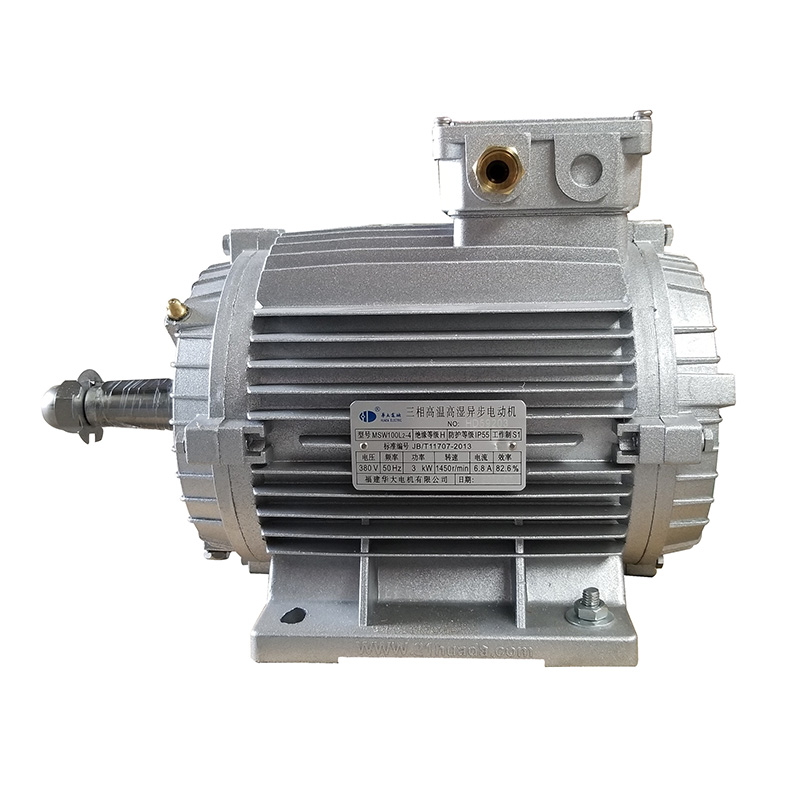
Processing lumber efficiently is crucial for both small-scale woodworkers and large industrial timber companies. The drying process is a pivotal step in the production of high-quality lumber. Traditionally, lumber is air-dried, which can take several months and is dependent on environmental conditions. However, advancements in technology have introduced the wood drying machine, which provides a more controlled and efficient method for drying lumber. This article explores the myriad benefits of using a wood drying machine for lumber processing, highlighting its impact on quality, time management, and overall operational efficiency.
Enhanced Quality and Consistency
One of the primary advantages of using a wood drying machine is the ability to control the drying environment. Precise control over temperature and humidity levels ensures that the wood dries evenly, reducing the risk of defects such as warping, cracking, and splitting.
- Uniform Drying: The machine allows for uniform drying across all pieces of lumber, which is critical for preventing inconsistencies in the final product.
- Reduced Defects: Controlled conditions minimize the occurrence of defects, ensuring high-quality lumber output.
- Improved Strength: Properly dried wood is stronger and more durable, providing a better material for construction and manufacturing.
Time Efficiency
Traditional air-drying methods can take several months, depending on the wood species and local climate conditions. In contrast, wood drying machines significantly reduce drying time, allowing businesses to operate more efficiently.
- Faster Processing: Wood drying machines can reduce drying times from months to a matter of days or weeks, depending on the wood type and thickness.
- Increased Throughput: Faster drying means more cycles can be completed in the same amount of time, increasing the overall throughput of the lumber processing operation.
- Seasonal Independence: Unlike air drying, which relies on favorable weather conditions, wood drying machines operate year-round, unaffected by seasonal changes.
Energy Efficiency and Environmental Impact
Modern wood drying machines are designed with energy efficiency in mind, making them a more environmentally friendly option compared to traditional methods.
- Optimized Energy Use: Advanced machines incorporate heat recovery systems and energy-efficient components to minimize energy consumption.
- Reduced Environmental Impact: By controlling emissions and optimizing energy use, wood drying machines contribute to a more sustainable lumber industry.
- Adaptable Technologies: Many machines are equipped with technologies that allow for the use of renewable energy sources, further reducing their carbon footprint.
Cost Savings
While the initial investment in a wood drying machine may be significant, the long-term cost savings are substantial. Efficient drying leads to higher quality products, reduced waste, and fewer returns due to defects.
- Lower Labor Costs: Automated drying processes reduce the need for manual labor, thus decreasing operational costs.
- Reduced Waste: Consistent quality reduces the amount of defective lumber, minimizing waste and associated costs.
- Increased Profit Margins: Faster processing and high-quality output lead to greater profitability over time.
Conclusion
The integration of a wood drying machine into lumber processing operations offers numerous advantages, from improved product quality to increased operational efficiency. By reducing drying times and ensuring consistent outcomes, these machines support the production of superior lumber. Furthermore, their energy-efficient designs help reduce environmental impact, making them a sustainable choice for the industry. Investing in such technology not only enhances the quality of the finished product but also contributes to a more streamlined and cost-effective production process. As the demand for high-quality lumber continues to grow, the adoption of advanced drying technologies becomes increasingly essential for staying competitive in the market.