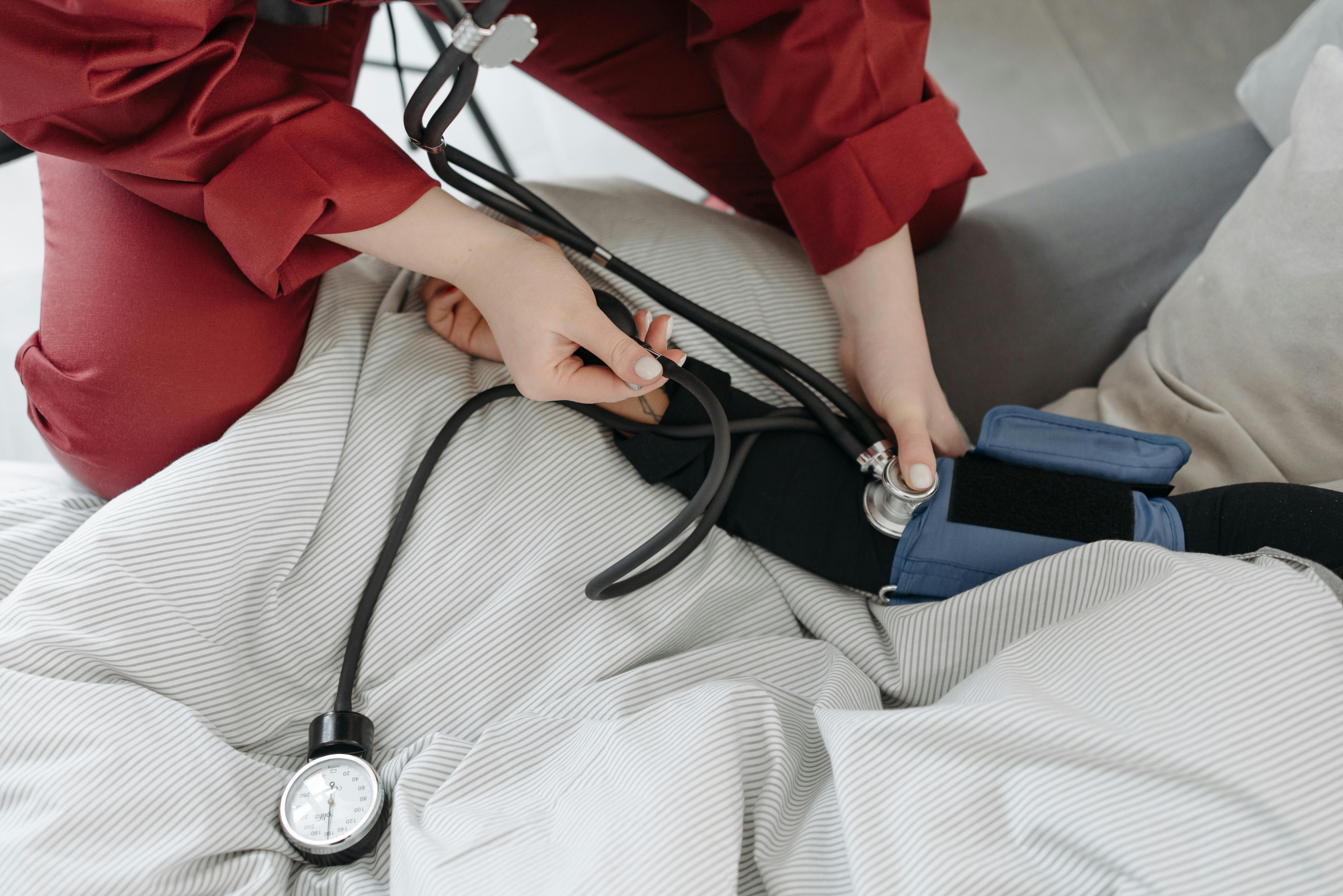
As people age, their healthcare needs often become more complex. This is particularly true for elderly patients who may require specialized medical attention and support. Skilled nursing care plays a critical role in providing the necessary healthcare services to elderly patients, ensuring they receive comprehensive and personalized care. This article explores the various aspects of skilled nursing care and its significance in enhancing the quality of life for seniors.
What is Skilled Nursing Care?
Skilled nursing care refers to a high level of medical care that must be provided by trained and licensed health professionals, such as registered nurses and therapists. It is typically provided in a clinical setting, such as a nursing home or an assisted living facility, but can also be offered in a patient’s home. This type of care is essential for elderly patients who require constant medical supervision and assistance with daily activities.
Components of Skilled Nursing Care
Skilled nursing care encompasses a wide range of services tailored to meet the specific needs of elderly patients. Key components include:
- Comprehensive medical assessments and regular health monitoring
- Medication management and administration
- Wound care and post-surgical recovery management
- Physical, occupational, and speech therapy
- Pain management and palliative care
- Nutritional and dietary guidance
The Role of Skilled Nursing Care in Elderly Health
The primary goal of skilled nursing care is to enhance the physical and emotional well-being of elderly patients. By providing round-the-clock medical support, skilled nursing care helps prevent hospital readmissions and complications from chronic conditions. Read more about this topic.
Benefits of Skilled Nursing Care
There are numerous benefits associated with skilled nursing care for elderly patients:
- Improved health outcomes through personalized care plans
- Increased safety and reduced risk of falls or injuries
- Enhanced quality of life through social interaction and recreational activities
- Peace of mind for families knowing their loved ones are receiving professional care
Choosing the Right Skilled Nursing Care Provider
Selecting an appropriate skilled nursing care provider is crucial for ensuring the best care for elderly patients. Important considerations include:
- Accreditation and licensing of the facility or service
- Experience and qualifications of the healthcare staff
- Availability of specialized services tailored to individual needs
- Facility amenities and environment
- Feedback from previous clients
To make an informed decision, it is advisable to visit potential facilities and speak with staff and residents. Learn more in this detailed guide.
Challenges in Providing Skilled Nursing Care
Despite its benefits, providing skilled nursing care can present several challenges:
- Ensuring sufficient staffing levels to meet patient needs
- Maintaining high standards of care and compliance with regulations
- Managing financial costs and insurance coverage
- Addressing the emotional and psychological needs of patients
These challenges require effective management and ongoing training for healthcare professionals. Explore further insights here.
Conclusion
Skilled nursing care is an essential component of healthcare for elderly patients, providing the specialized attention and support they need. By understanding the various aspects and benefits of skilled nursing care, families can make informed decisions to ensure their loved ones receive the best possible care. Find additional information here.