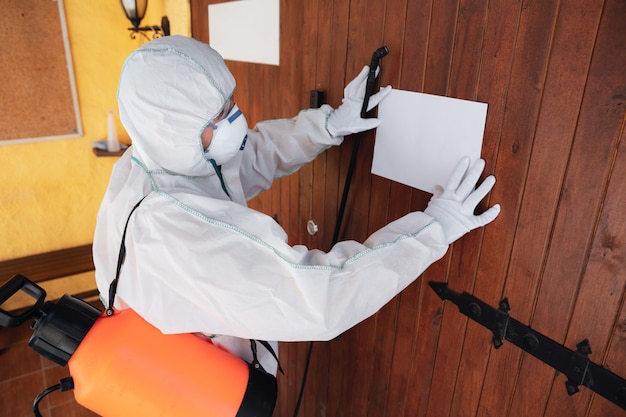
Maintaining a healthy and safe living environment is paramount, and one of the significant challenges homeowners face is mold infestation. Mold growth not only damages property but can also pose severe health risks to its inhabitants. As such, mold encapsulation has emerged as a vital service to combat these issues effectively. Mold encapsulation involves sealing off mold-affected areas to prevent spores from spreading and causing further damage. By choosing professional mold encapsulation services, property owners can ensure that their spaces remain safe and habitable.
Understanding Mold Encapsulation
Mold encapsulation is a specialized process that involves treating mold-infested surfaces with a sealant that encases the mold. This process is particularly beneficial in situations where mold cannot be entirely removed, such as in difficult-to-reach areas or on porous materials.
Key Benefits of Mold Encapsulation:
- Prevents the spread of mold spores.
- Cost-effective compared to complete mold removal.
- Reduces health risks associated with mold exposure.
- Enhances the longevity of the affected areas.
To learn more about this approach, find out more about this approach and how it can safeguard your property.
The Process of Mold Encapsulation
Embarking on a mold encapsulation project involves several crucial steps to ensure effectiveness and safety:
1. Assessment and Testing
The first step in the encapsulation process is conducting a thorough assessment to determine the extent of mold contamination. Professionals will carry out mold testing to identify the type and concentration of mold spores present.
2. Surface Preparation
Once the assessment is complete, the next phase is preparing the surfaces for encapsulation. This may involve cleaning the affected areas to remove surface mold and debris, ensuring the sealant can adhere properly.
3. Application of Encapsulant
The encapsulant is then applied to the prepared surfaces. This sealant acts as a barrier, preventing mold spores from becoming airborne or spreading to other areas.
4. Final Inspection
A final inspection ensures that the encapsulation process has been successful. This step is crucial to verify that the mold is effectively contained and that no further action is necessary.
Discover expert strategies here for a detailed understanding of the encapsulation process.
When is Mold Encapsulation Recommended?
Mold encapsulation is not always the best solution for every mold issue. It is typically recommended in the following scenarios:
- When mold is present on structural components that are difficult to replace.
- If the mold-affected area is extensive and complete removal is not feasible.
- In situations where the property is susceptible to future mold growth due to environmental conditions.
For tailored solutions and expert advice, learn about our tailored solutions and when encapsulation is most effective.
Choosing the Right Mold Encapsulation Service
Selecting a reliable service provider for mold encapsulation is crucial to ensure the job is done correctly. Here are some factors to consider:
- Experience and expertise in mold remediation.
- Use of high-quality encapsulant products.
- Comprehensive assessment and testing procedures.
- Transparent pricing and clear communication.
Explore advanced guides and tips on selecting the best mold encapsulation service here.
In conclusion, mold encapsulation is a vital service for maintaining a healthy living environment. By understanding the process and selecting the right professionals, property owners can protect their homes and health effectively.