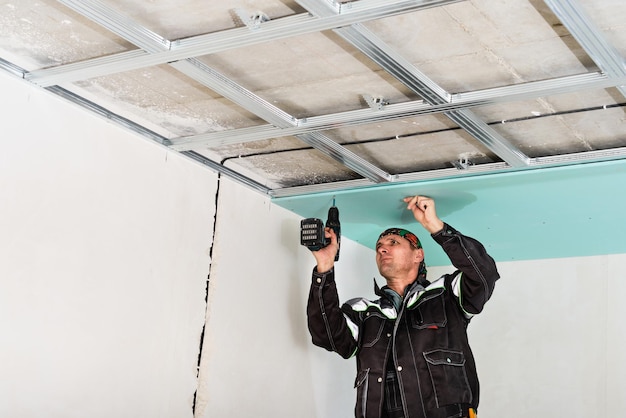
Ceiling water leaks are more than just a nuisance; they can pose significant risks to both the structural integrity of a building and the health of its occupants. Identifying and repairing a ceiling water leak promptly is crucial to preventing more extensive damage and costly repairs. This article provides a comprehensive guide to understanding the causes, identifying signs, and implementing effective repair strategies for ceiling water leaks. It also highlights professional techniques and solutions that ensure long-term results.
Understanding the Causes of Ceiling Water Leaks
Water leaks in ceilings can originate from various sources, each requiring a different approach to repair. Common causes include:
- Roof Damage: Damaged or missing shingles, cracked flashing, and deteriorated sealants can allow water to seep into the building.
- Plumbing Issues: Leaking pipes or faulty plumbing fixtures situated above the ceiling can lead to water accumulation.
- Condensation: Poor ventilation or insulation may cause condensation to form and drip over time.
- HVAC System Leaks: Malfunctions in air conditioning units or drainage systems can also contribute to ceiling leaks.
Addressing the root cause is essential for effective repair. For more detailed insights, discover expert strategies here.
Identifying Signs of a Ceiling Water Leak
Early detection of a ceiling water leak can prevent further damage. Look out for these warning signs:
- Stains or Discoloration: Yellow or brown stains on the ceiling are often the first indication of a leak.
- Peeling Paint or Wallpaper: Water can weaken the adhesive, causing paint or wallpaper to peel away.
- Dripping Water: Obvious signs like dripping water or puddles on the floor require immediate attention.
- Mold Growth: Musty odors and visible mold patches indicate prolonged moisture exposure.
Steps for Professional Ceiling Water Leak Repair
Initial Assessment and Safety Measures
Before commencing any repair work, a thorough assessment should be conducted to determine the extent of the damage and necessary safety precautions. This might include:
- Turning off the water supply if plumbing issues are suspected.
- Using tarps or buckets to contain active leaks and protect furniture.
- Engaging professionals to assess structural integrity and mold presence.
For a complete guide on handling these initial steps, learn about our tailored solutions.
Repair Techniques and Best Practices
Once the source of the leak is identified and contained, repair efforts can commence. Professional repair techniques often include:
- Replacing Damaged Materials: Water-damaged drywall or ceiling tiles should be removed and replaced.
- Sealing and Waterproofing: Applying sealants and waterproofing agents can prevent future leaks.
- Insulation and Ventilation Improvements: Enhancing insulation and ventilation reduces condensation risks.
- Regular Maintenance: Scheduled inspections and maintenance help prevent recurrence.
Explore advanced guides and tips here to ensure enduring solutions.
Why Professional Repair is Essential
Engaging professional services for ceiling water leak repair ensures that all aspects of the problem are addressed comprehensively. Professionals bring:
- Expertise and Experience: Trained technicians can accurately diagnose and repair the underlying issues.
- Specialized Equipment: Advanced tools and techniques enable efficient and effective repairs.
- Guaranteed Workmanship: Reputable service providers offer guarantees on their work, providing peace of mind.
For those seeking reliable and professional solutions, find out more about this approach.
By understanding the complexities of ceiling water leaks and implementing professional repair methods, building owners can protect their property and ensure a safe and healthy environment. Armed with the knowledge from this guide, taking proactive measures against ceiling water leaks becomes achievable and straightforward.