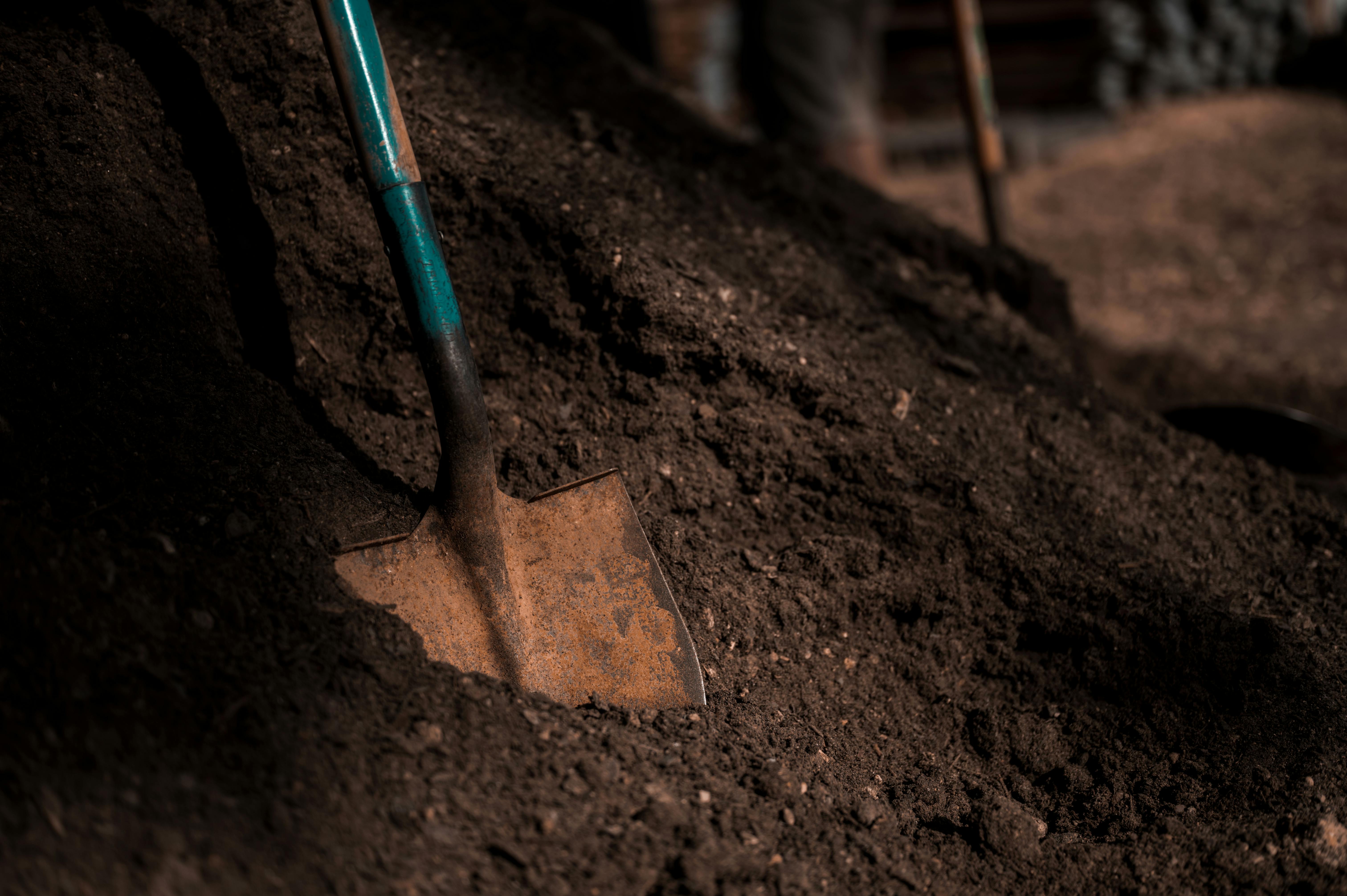
Trees are an integral part of our ecosystem, offering shade, habitat for wildlife, and enhancing the beauty of landscapes. Ensuring the health and longevity of trees requires a combination of strategies, with mulching being one of the most effective. Professional arborist mulch stands out as a superior choice for tree care. This article delves into the benefits of using professional arborist mulch, how it improves tree health, and why it is a preferred option for arborists worldwide. For those interested in detailed methods and insights, discover expert strategies here.
Understanding Arborist Mulch
Arborist mulch is a byproduct of tree maintenance activities, composed primarily of wood chips and shredded tree materials. Unlike regular mulch, it is created from a diverse mix of organic materials, providing a balanced nutrient profile that supports various tree species. Find out more about this approach to understand its unique composition and benefits.
Benefits of Using Professional Arborist Mulch
- Moisture Retention: Arborist mulch helps retain soil moisture, reducing the need for frequent watering. This is particularly beneficial during dry seasons, ensuring that trees have a consistent supply of water.
- Weed Suppression: By covering the soil, mulch acts as a barrier to weed growth, minimizing competition for nutrients and water.
- Temperature Regulation: Arborist mulch insulates the soil, maintaining a stable temperature that protects tree roots from extreme weather conditions.
- Soil Fertility Improvement: As the mulch decomposes, it adds organic matter to the soil, enhancing its fertility and structure.
How Professional Arborists Use Mulch
Professional arborists employ specific techniques when applying mulch to maximize its benefits. Here are some key practices:
Proper Application Techniques
- Correct Layer Thickness: Applying a layer of 2-4 inches of mulch is recommended. This thickness is optimal for moisture retention and weed suppression without suffocating the roots.
- Mulch Rings: Creating a mulch ring around the tree base, rather than piling mulch against the trunk, prevents moisture buildup which can lead to rot.
- Consistency: Regularly adding new layers of mulch helps maintain its effectiveness as the older layers decompose.
These practices are critical for those looking to improve tree health with mulch. Learn about tailored solutions and advanced guides by exploring advanced guides and tips on the topic.
Choosing the Right Mulch
When selecting mulch, it is vital to consider the source and quality. Professional arborist mulch is often preferred due to its sustainable sourcing and balanced nutrient content. It is important to ensure the mulch is free from contaminants that could harm trees.
Factors to Consider
- Source Quality: Ensure the mulch comes from reputable sources to avoid potential contamination with pests or chemicals.
- Sustainability: Opt for mulch that is sustainably sourced, supporting environmental conservation efforts.
- Compatibility: Match the mulch type to the specific needs of the tree species and local soil conditions.
For individuals or organizations seeking to enhance their landscaping practices, learn about our tailored solutions that provide reliable and effective results.
Conclusion
Professional arborist mulch is a valuable tool in maintaining tree health. Its benefits, from moisture retention to soil fertility improvement, make it a preferred choice for arborists and tree care professionals. By understanding and implementing proper mulching techniques, one can ensure trees not only survive but thrive. For more information on how to integrate arborist mulch into your tree care regimen, explore advanced guides and tips provided by industry experts.