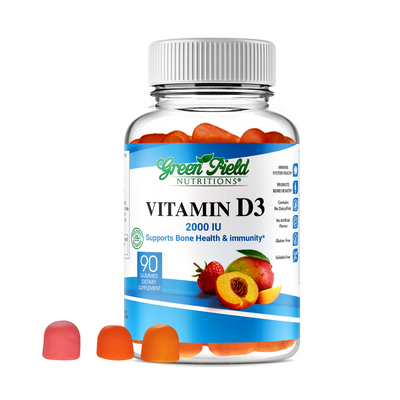
The landscape of dietary supplements is vast and continuously growing, with countless products available to consumers seeking health and wellness benefits. It is crucial, however, for these products to be manufactured in environments that adhere to strict safety and quality standards. This is where the role of FDA registered facilities becomes paramount. Such registration ensures that the manufacturers comply with the regulations set forth by the U.S. Food and Drug Administration (FDA), providing a layer of assurance regarding the safety and efficacy of the supplements produced. Understanding the importance of FDA registration in the supplement industry can help consumers make informed decisions about the products they choose to incorporate into their health routines.
What Does FDA Registration Mean?
FDA registration denotes that a manufacturing facility has registered itself with the U.S. Food and Drug Administration. This process is essential for any facility involved in the production, packing, or holding of dietary supplements intended for consumption within the United States. While registration itself does not imply FDA approval of the products, it signifies compliance with the agency’s current Good Manufacturing Practices (cGMPs).
Manufacturers must adhere to these cGMPs to ensure their products meet the safety and quality standards set by the FDA. Key components of cGMPs include:
- Proper design and operation of manufacturing facilities
- Stringent quality control procedures
- Comprehensive record-keeping practices
- Regular product testing
By meeting these standards, manufacturers can ensure their products are consistently produced and controlled to meet the necessary quality benchmarks. Learn more in this detailed guide.
The Importance of FDA Registered Facilities
Ensuring Consumer Safety
The primary role of FDA registered facilities is to safeguard consumer health by ensuring that supplements are safe to consume. This involves rigorous testing for contaminants and the verification of ingredient authenticity. Facilities are inspected periodically by the FDA to verify compliance, reducing the risk of adulterated or mislabeled products reaching consumers. Explore further insights here.
Maintaining Product Quality
Beyond safety, FDA registration underscores a commitment to quality. Registered facilities must implement robust quality management systems that involve proactive measures to prevent defects and deviations. This commitment is crucial for maintaining consumer trust and ensuring that products consistently meet label claims. Find additional information here.
How Consumers Can Benefit
For consumers, purchasing supplements manufactured in FDA registered facilities provides several advantages:
- Increased confidence in product safety and efficacy
- Assurance of quality through adherence to cGMPs
- Reduced risk of exposure to harmful substances
Consumers are encouraged to research and verify the status of a supplement manufacturer?s facility registration with the FDA before purchase. Read more about this topic.
Conclusion
The role of FDA registered facilities in the dietary supplement industry cannot be overstated. These facilities provide a critical layer of oversight, ensuring that products are manufactured under conditions that prioritize consumer safety and product quality. By understanding the significance of FDA registration, consumers can make more informed choices and trust the supplements they incorporate into their daily health routines. Explore further insights here.