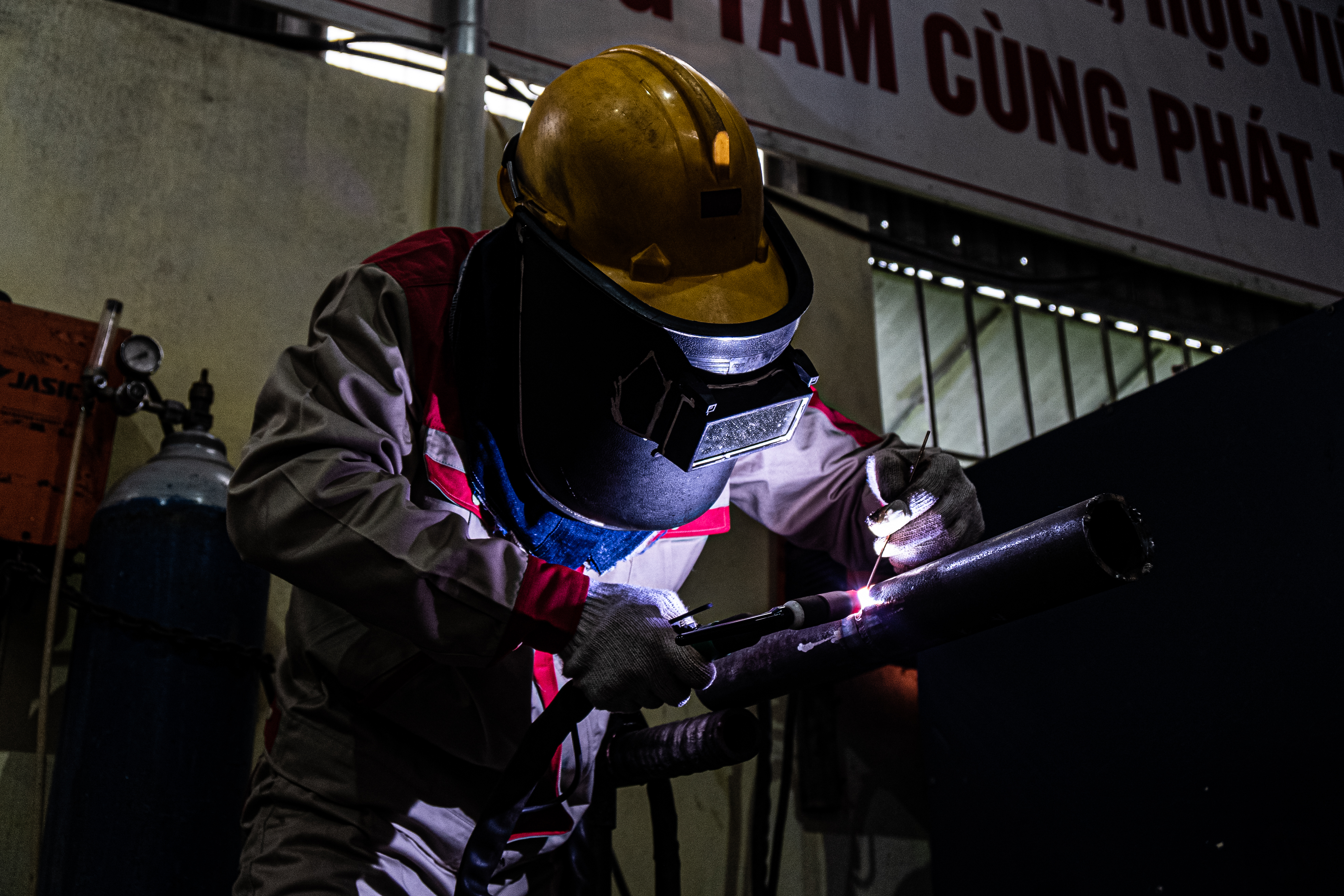
In industrial and commercial settings, ensuring safety against electrical hazards like arc flashes is critical. Arc flashes are dangerous electrical events that can cause severe injuries or even fatalities. They occur due to a sudden release of energy from an electrical arc, which can result from equipment failure or human error. The importance of protective measures and safety protocols cannot be overstated, as they are essential in safeguarding employees and minimizing downtime. Implementing a comprehensive arc flash protection strategy involves understanding the risks, adhering to regulatory standards, and using appropriate personal protective equipment (PPE).
Understanding Arc Flash Risks
Arc flash incidents pose significant risks due to their sudden and explosive nature. Understanding these risks is the first step towards effective protection.
- High Temperatures: Arc flashes can produce temperatures exceeding 35,000 degrees Fahrenheit, enough to vaporize metal parts and cause severe burns.
- Pressure Waves: The rapid expansion of air and metal can create pressure waves capable of damaging hearing and causing blunt force trauma.
- Flying Debris: Shrapnel and molten metal can be propelled at high speeds, posing additional injury risks.
The Importance of Risk Assessment
Conducting thorough risk assessments is crucial for identifying potential hazards and implementing preventive measures. Techniques such as arc flash studies help in evaluating the electrical systems and determining the potential severity of an arc flash event. Discover expert strategies here for conducting comprehensive risk assessments that align with industry standards.
Regulatory Compliance and Standards
Compliance with electrical safety standards is a key component of arc flash protection. Adhering to these standards ensures that safety measures are up to date and effective.
- OSHA Regulations: The Occupational Safety and Health Administration (OSHA) mandates specific safety practices to protect workers from electrical hazards.
- NFPA 70E: The National Fire Protection Association (NFPA) 70E standard provides guidelines for electrical safety in the workplace, including procedures for risk assessments and PPE requirements.
- IEEE 1584: The Institute of Electrical and Electronics Engineers (IEEE) 1584 standard offers methodologies for calculating arc flash incident energy and establishing safety boundaries.
Understanding and implementing these standards ensures a safer working environment. Learn about our tailored solutions for maintaining compliance with regulatory standards.
Personal Protective Equipment (PPE)
PPE is an essential component of arc flash protection, providing a critical barrier between employees and potential hazards.
- Arc-rated Clothing: Designed to withstand high temperatures, arc-rated clothing helps protect against burns and thermal injuries.
- Face Shields and Helmets: These protect the face and head from thermal and impact hazards.
- Insulated Gloves: Essential for protecting hands from both electrical shock and thermal burns.
Choosing the right PPE involves understanding the potential risks and selecting equipment that meets or exceeds safety standards. Explore advanced guides and tips for selecting the appropriate PPE for various work environments.
Implementing Training and Safety Protocols
Effective training and clear safety protocols are vital for minimizing arc flash risks and ensuring quick and appropriate responses to incidents.
- Regular Training: Conduct regular training sessions for employees to reinforce safety practices and update them on new regulations and technologies.
- Emergency Procedures: Establish and communicate clear emergency procedures to ensure quick and effective responses in the event of an arc flash.
- Safety Audits: Regular safety audits help identify gaps in safety measures and ensure ongoing compliance with standards.
Comprehensive training programs and safety protocols are integral to maintaining a safe workplace. Find out more about this approach to enhancing safety through effective training and procedural implementation.
In conclusion, ensuring arc flash protection in the workplace involves a multi-faceted approach that includes risk assessment, regulatory compliance, proper PPE usage, and comprehensive training. By prioritizing safety and staying informed about the latest industry standards and solutions, organizations can effectively protect their employees and maintain operational integrity. For more detailed information on ensuring workplace safety against arc flash incidents, explore the available resources and expert guidance provided.