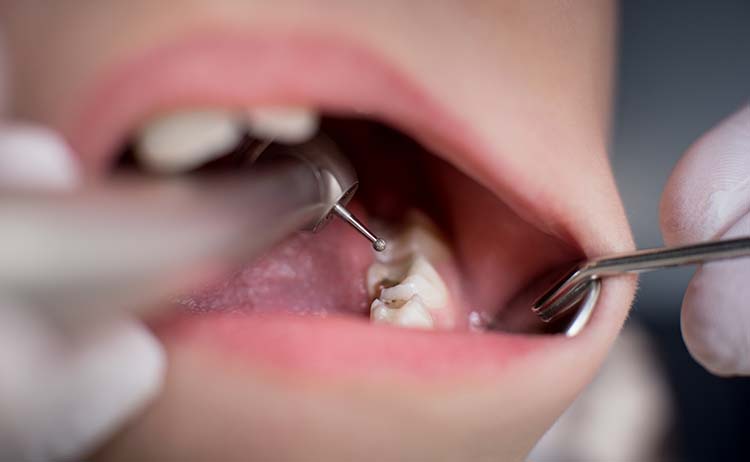
Advancements in dental technology have revolutionized the field of restorative dentistry, offering innovative solutions to enhance smiles and improve oral health. Whether dealing with chipped teeth, tooth decay, or missing teeth, restorative dentistry provides a variety of treatments designed to restore functionality and aesthetics. Understanding these options is crucial for individuals seeking to enhance their dental health and overall well-being.
Understanding Restorative Dentistry
Restorative dentistry focuses on diagnosing, treating, and managing dental issues to restore the mouth to its optimal function and appearance. This dental specialty encompasses a range of treatments aimed at repairing or replacing damaged teeth. The goal is not only to improve the smile cosmetically but also to ensure proper dental function, which is integral to overall health.
Common Restorative Dentistry Treatments
Dental Fillings
Dental fillings are one of the most common restorative treatments. They are used to repair cavities and restore tooth function. Modern materials such as composite resins are often used for their durability and ability to match the natural tooth color, providing a seamless repair.
Crowns and Bridges
Crowns, also known as caps, cover damaged teeth to restore their shape, size, and strength. Bridges replace one or more missing teeth by anchoring onto adjacent teeth or implants, providing a natural-looking and functional solution.
Dental Implants
Dental implants are a cutting-edge solution for replacing missing teeth. They consist of titanium posts surgically placed into the jawbone, acting as artificial roots. These implants are then topped with crowns, offering a permanent and natural-looking replacement.
Benefits of Advanced Restorative Dentistry
Modern restorative dentistry treatments offer several benefits:
- Improved aesthetics: Enhance the appearance of teeth, boosting confidence and self-esteem.
- Durability: Use of high-quality materials ensures long-lasting results.
- Functionality: Restore the ability to chew and speak properly.
- Prevention: Addressing dental issues early can prevent further damage and more extensive treatments in the future.
Choosing the Right Treatment
Each individual’s dental needs are unique, making it essential to consult with a dental professional to determine the most suitable treatment plan. Considerations include the extent of dental damage, overall oral health, and personal preferences.
During the consultation process, the dentist will perform a comprehensive examination to assess the condition of the teeth and gums. This may involve X-rays and other diagnostic tools to ensure an accurate diagnosis and effective treatment plan.
The Role of Preventive Care
While restorative dentistry is crucial for repairing and replacing teeth, preventive care remains the cornerstone of maintaining oral health. Regular dental check-ups, proper oral hygiene practices, and a balanced diet play vital roles in preventing dental issues from arising in the first place.
Incorporating preventive measures such as fluoride treatments and dental sealants can further protect teeth from decay and damage, reducing the need for extensive restorative procedures.
Conclusion
The advancements in restorative dentistry provide individuals with an array of options to enhance their smiles and improve oral health. From fillings and crowns to implants and bridges, these treatments are designed to restore both function and aesthetics. By understanding the various treatments available and the importance of preventive care, individuals can make informed decisions to achieve and maintain a healthy, beautiful smile.