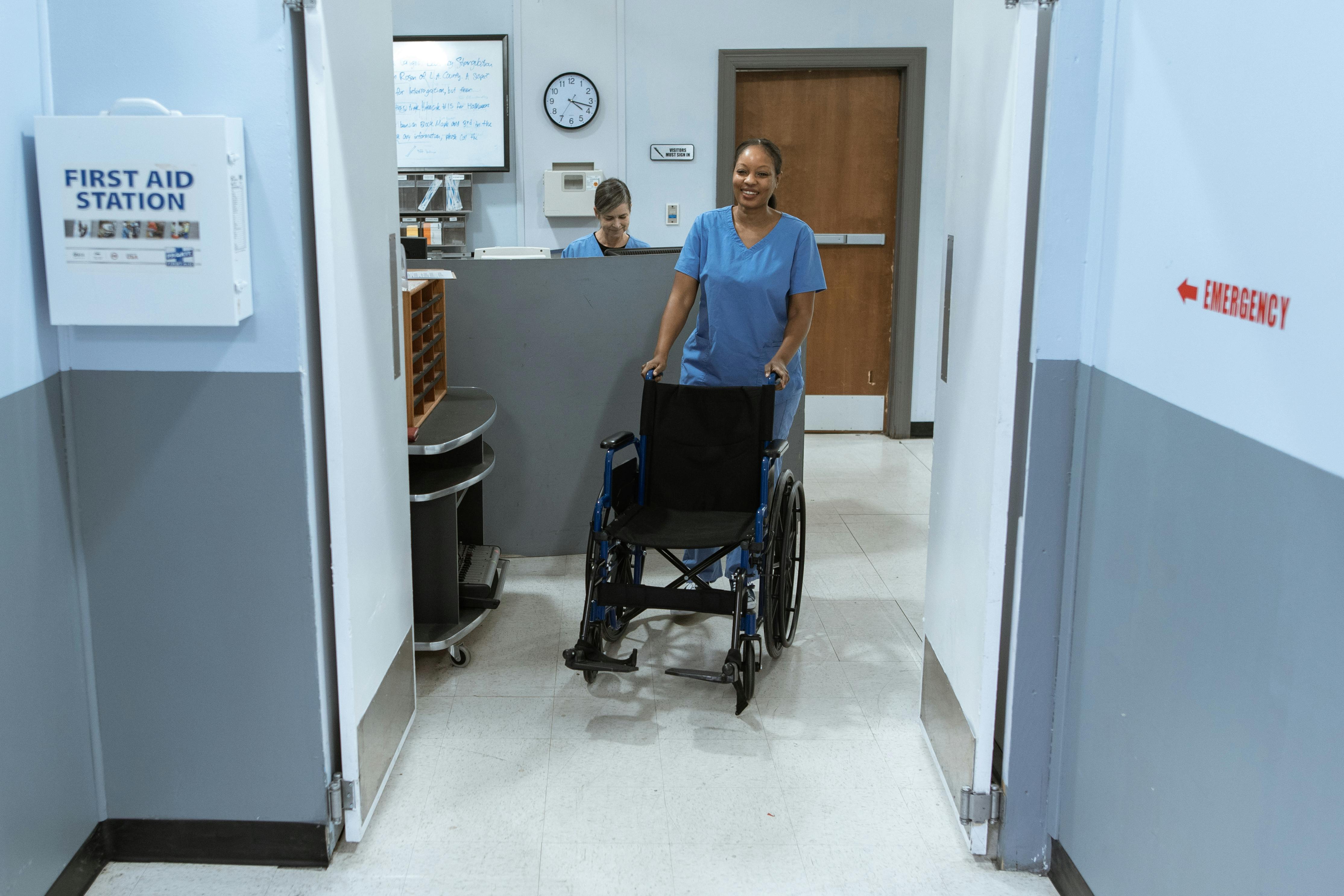
Efficient interfacility transfers are critical in the healthcare domain, ensuring that patients receive the necessary care promptly when their needs surpass the capabilities of their current medical facility. The process involves transferring patients from one healthcare facility to another, often necessitated by the need for specialized services, advanced medical equipment, or expert consultations unavailable at the initial location. This process demands meticulous planning, coordination, and execution to maintain the continuum of care and ensure patient safety and comfort.
Key Components of Interfacility Transfers
Assessment and Coordination
The initial step in an interfacility transfer involves a comprehensive assessment of the patient?s medical condition. This assessment helps in determining the urgency of the transfer and the level of care required during transit. Coordination between the sending and receiving facilities is crucial to ensure that all necessary medical records, medications, and equipment are prepared and ready for the transfer.
- Comprehensive patient assessment
- Coordination between facilities
- Preparation of medical records and equipment
Transportation Logistics
Effective transportation logistics are vital in managing interfacility transfers. The choice of transport?whether by ground ambulance, air ambulance, or other means?depends on factors such as distance, urgency, and the patient’s medical condition. Medical professionals must ensure that the chosen mode of transport is adequately equipped to handle any medical emergencies that might arise during transit. Discover expert strategies here.
- Selection of appropriate transport mode
- Equipping transport for possible emergencies
- Consideration of distance and urgency
Challenges in Interfacility Transfers
Communication Gaps
One of the primary challenges is ensuring seamless communication between healthcare professionals at both the sending and receiving facilities. Miscommunication can lead to delays or errors in patient care. Employing standardized communication protocols and utilizing technology can help bridge these gaps. Learn about our tailored solutions.
Regulatory and Compliance Issues
Interfacility transfers must comply with various regulatory and legal requirements, including patient consent, privacy laws, and transport regulations. Healthcare providers must stay informed about these requirements to avoid legal complications and ensure that all transfers are conducted ethically and legally. Explore advanced guides and tips.
Enhancing Efficiency in Transfers
Enhancing the efficiency of interfacility transfers involves implementing best practices that streamline the transfer process while ensuring patient safety and comfort. This includes:
- Continuous training for medical and transport staff
- Utilization of technology for real-time tracking and communication
- Adoption of standardized protocols and checklists
By focusing on these areas, healthcare providers can significantly improve the effectiveness of interfacility transfers, ultimately enhancing patient outcomes and satisfaction. Find out more about this approach.