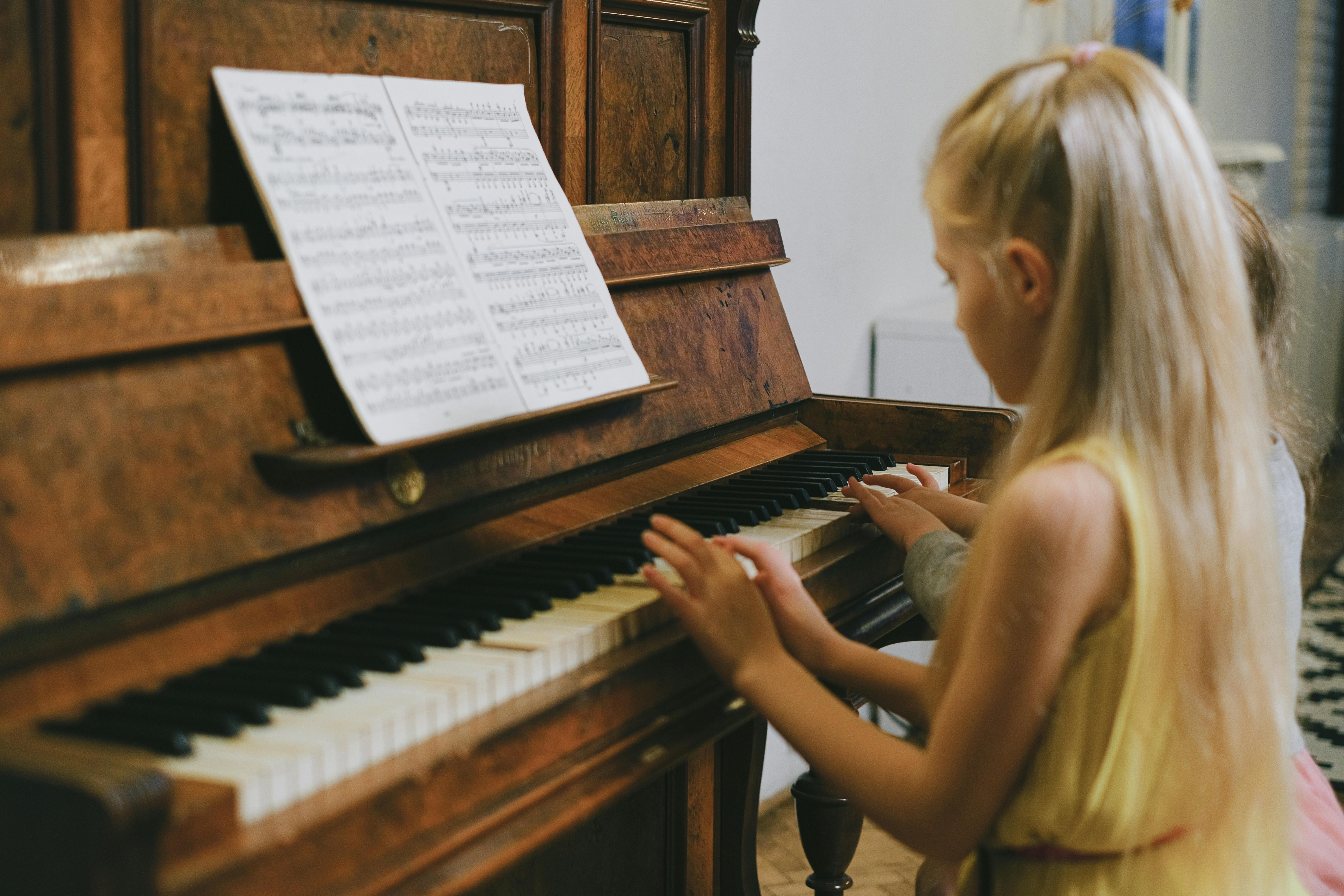
Music has the remarkable ability to bring people together, creating bonds that transcend words. When families engage in music lessons together, they embark on a journey of shared discovery and joy. These experiences not only enhance musical skills but also strengthen family connections, foster communication, and provide a creative outlet for expression. Whether you’re exploring the enchanting world of piano, the rhythmic patterns of drums, or the harmonies of singing, family music lessons offer an enriching experience that can transform the dynamics of home life.
The Benefits of Family Music Lessons
Engaging in music lessons as a family offers a multitude of benefits that go beyond simply learning how to play an instrument.
- Strengthened Family Bonds: Participating in music lessons together fosters an environment of collaboration and support. Each family member can contribute to the musical journey, enhancing the sense of unity.
- Improved Communication: Music is a language in itself. By learning to play and understand music together, families can improve their communication skills, both musical and verbal.
- Enhanced Cognitive Skills: Music education is known to boost brain development, improving memory and problem-solving skills, which are beneficial for both children and adults.
- Stress Relief: Playing music is a great way to relieve stress. Families can unwind and express their emotions through the art of music, promoting a positive emotional environment at home.
Discover expert strategies to integrate music into your family’s routine here.
Selecting the Right Instrument
Choosing the right instrument for your family can be a delightful yet challenging decision. It’s important to consider the preferences and aptitudes of each family member.
Assessing Interests and Abilities
When selecting an instrument, consider the following:
- Personal Interest: What instruments intrigue each family member? A genuine interest is crucial for sustained motivation.
- Physical Ability: Some instruments require specific physical attributes, like the reach for piano keys or the breath control for wind instruments.
- Age Appropriateness: Ensure that the instrument is suitable for the age and skill level of the learner.
Learn about our tailored solutions for selecting the right instrument here.
Incorporating Music into Daily Life
To make the most of family music lessons, it’s important to integrate music into your daily routine.
Practical Tips for Consistent Practice
- Set a Schedule: Dedicate specific times each week for practice sessions. Consistency is key to progress.
- Create a Music Space: Designate a space in your home for music practice to encourage regular play.
- Engage in Group Activities: Incorporate family jam sessions or mini-concerts to showcase progress and build confidence.
Explore advanced guides and tips on making music a part of your lifestyle here.
Finding the Right Music Program
Choosing the right music program is essential for a successful learning experience. Look for programs that offer comprehensive curriculums and experienced instructors.
Key Considerations
- Qualified Instructors: Ensure the program has knowledgeable and experienced teachers who can cater to different learning styles.
- Comprehensive Curriculum: A well-rounded program should offer a diverse range of musical genres and techniques.
- Family-Friendly Approach: Programs that encourage family participation and support individual progress can enhance the overall experience.
Find out more about this approach to family music education here.
Family music lessons are a delightful and rewarding journey that can enrich lives and create cherished memories. By exploring music together, families not only develop musical abilities but also strengthen their bonds and enhance their communication. With the right guidance and dedication, the joy of music can become an integral part of family life.