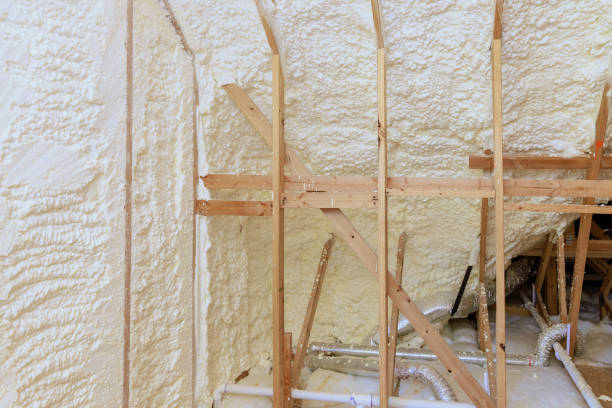
In the realm of modern construction, the demand for innovative and efficient building materials continues to grow. Among these materials, urethane formliners stand out due to their versatility and durability. These formliners have transformed the way architects and construction professionals approach design, providing a means to achieve intricate patterns and textures in concrete structures. This article explores the various benefits of using urethane formliners and their impact on the construction industry.
Understanding Urethane Formliners
Urethane formliners are molds used to imprint patterns and textures onto concrete surfaces. Made from high-quality polyurethane, these formliners offer a range of aesthetic and functional benefits that make them a preferred choice in construction projects.
Key Benefits of Urethane Formliners
- Durability: Urethane formliners are known for their exceptional durability. They can withstand repeated use without losing their shape or effectiveness, which makes them a cost-effective option for large-scale projects.
- Precision and Detail: These formliners are capable of reproducing fine details and intricate patterns with high precision, allowing architects to bring their creative visions to life.
- Reusability: One of the most significant advantages of urethane formliners is their ability to be reused multiple times. This not only reduces waste but also lowers the overall cost of the project.
- Weather Resistance: Designed to withstand harsh weather conditions, urethane formliners maintain their quality and performance regardless of environmental factors.
Applications in the Construction Industry
Urethane formliners are utilized in a wide array of construction applications. Their versatility makes them suitable for both residential and commercial projects, including:
- Architectural Walls: These formliners can be used to create visually appealing architectural walls that enhance the aesthetic appeal of buildings.
- Sound Walls: In urban environments, sound walls constructed with urethane formliners can effectively reduce noise pollution while providing an attractive design solution.
- Bridge and Highway Construction: Urethane formliners are frequently used in infrastructure projects to create decorative patterns on bridges and highways.
Environmental Benefits
Beyond aesthetics and functionality, urethane formliners offer environmental advantages. Their reusability and long lifespan contribute to sustainable building practices by minimizing resource consumption and waste. Additionally, the production process for these formliners is designed to be environmentally friendly, further reducing their carbon footprint.
Conclusion
The introduction of urethane formliners has revolutionized the construction industry, providing an efficient and versatile solution for creating detailed concrete surfaces. Their durability, precision, and environmental benefits make them an ideal choice for a variety of construction applications. As the industry continues to evolve, urethane formliners are expected to play a crucial role in shaping the future of architectural design and sustainable construction practices.