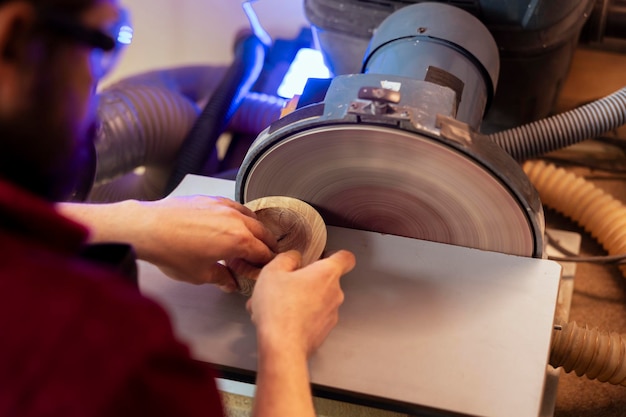
In the realm of industrial manufacturing and material processing, precision and efficiency are paramount. The tools and equipment used in these processes have a direct impact on the quality and speed of production. Among these tools, the diamond grinding wheel stands out as an essential component in various industrial applications. Known for its durability and precision, it offers a range of benefits that enhance productivity and ensure superior results. This article delves into the advantages of diamond grinding wheels and their applications in industrial settings.
Understanding Diamond Grinding Wheels
Diamond grinding wheels are cutting tools with diamond grits fixed on the periphery. These wheels are used for grinding and cutting materials that are hard and abrasive. The synthetic diamond particles provide a cutting edge that is extremely hard, thus offering unmatched precision and efficiency.
Key Features
- High hardness and wear resistance
- Superior thermal conductivity
- Increased cutting speed
- Long lifespan and consistent performance
Benefits of Diamond Grinding Wheels in Industrial Applications
Enhanced Precision and Accuracy
Diamond grinding wheels are renowned for their ability to produce precise and accurate finishes. The high hardness of diamond allows for minimal wear and tear, maintaining the wheel’s shape and size for extended periods. This consistency is crucial for applications requiring intricate detailing and tight tolerances.
Increased Efficiency and Productivity
The efficiency of a diamond grinding wheel is unmatched. Its ability to cut faster and handle a variety of materials reduces downtime and increases productivity. This efficiency is particularly beneficial in large-scale industrial environments where time and precision are critical.
Versatility Across Materials
Diamond grinding wheels are versatile tools that can work on a wide range of materials including:
- Metals (ferrous and non-ferrous)
- Composites
- Glass and ceramics
- Stone and concrete
This versatility makes them an invaluable asset in industries ranging from automotive to construction, where the requirement to process different materials is common.
Cost-Effectiveness
Although the initial investment in diamond grinding wheels may be higher compared to traditional wheels, their long lifespan and reduced maintenance costs offer significant savings over time. The durability and efficiency of diamond wheels minimize the need for frequent replacements, thus reducing operational costs.
Applications in Various Industries
Diamond grinding wheels are utilized across several industries due to their robust nature and superior performance. Here are some notable applications:
Automotive Industry
In the automotive sector, these wheels are used for precision grinding of engine components, ensuring high performance and longevity. The ability to achieve fine finishes makes them ideal for critical automotive parts.
Aerospace Industry
The aerospace industry demands high precision and minimal errors. Diamond grinding wheels are used for machining turbine blades and other components, where accuracy is non-negotiable.
Construction and Building Materials
In construction, diamond grinding wheels are employed for cutting and shaping concrete, marble, and other building materials. Their efficiency in handling hard materials makes them indispensable in this sector.
Conclusion
The diamond grinding wheel is an essential tool in industrial settings, offering numerous benefits such as precision, efficiency, and cost-effectiveness. Its ability to work with a variety of materials makes it a versatile choice for different industrial applications. By integrating these wheels into production processes, industries can achieve higher quality outcomes and improved productivity, ensuring they stay competitive in a fast-paced market.