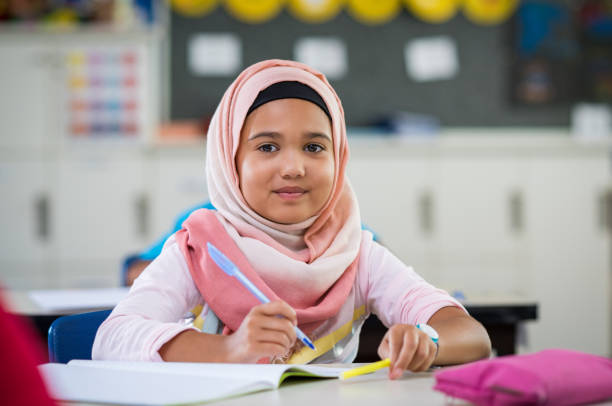
In today’s fast-paced world, the need for a comprehensive and balanced education that combines academics with moral and spiritual growth is more critical than ever. For many families, particularly those within the Muslim community, an elementary Islamic school can provide that essential foundation. These schools are designed to offer young children an education that aligns with their family’s values and religious beliefs, fostering both academic excellence and spiritual development from an early age.
The Role of Elementary Islamic Schools in Child Development
Elementary Islamic schools play a pivotal role in nurturing young minds and hearts. They are instrumental in providing an environment where children can learn about their faith while also gaining a robust academic education. This dual approach ensures that students not only excel in subjects like mathematics, science, and languages but also develop a strong moral compass guided by Islamic principles.
Benefits of Integrating Islamic Values in Education
- Holistic Development: By integrating Islamic teachings with academic instruction, children receive a well-rounded education that promotes cognitive, emotional, and spiritual growth.
- Character Building: Islamic schools emphasize the importance of virtues such as honesty, respect, and compassion, which are crucial for developing good character.
- Sense of Identity: Children gain a strong sense of identity and belonging by learning about their cultural and religious heritage.
Academic Excellence in Islamic Schools
Contrary to some misconceptions, Islamic schools are committed to academic excellence. They follow a rigorous curriculum that meets or exceeds national educational standards. Many of these schools incorporate modern teaching methods and technologies to enhance learning experiences.
Furthermore, the growing trend of hybrid elementary school online islamic elementary school programs accredited online islamic elementary school elementary islamic school for kids online islamic elementary school education provides flexible learning options that cater to different needs. This approach allows students to benefit from a combination of traditional in-person learning and online resources, ensuring a well-rounded educational experience.
Community and Social Development
Islamic schools often serve as community hubs, fostering a sense of togetherness and cooperation among families. They provide a platform for parents, teachers, and students to collaborate and support each other, creating a nurturing and inclusive environment.
- Parental Involvement: Parents are encouraged to take an active role in their children’s education, which strengthens family bonds and supports academic success.
- Peer Relationships: Children develop friendships with peers who share similar values, promoting a supportive social network.
- Community Engagement: Schools often organize events and activities that involve the broader community, reinforcing social ties and community spirit.
Preparing for the Future
Elementary Islamic schools equip students with the skills and knowledge necessary to succeed in a rapidly changing world. By fostering critical thinking, problem-solving, and adaptability, these schools prepare children to face future challenges with confidence.
As the world becomes more interconnected, the ability to navigate diverse cultural and religious landscapes is increasingly important. Islamic education provides students with a global perspective, teaching them to appreciate and respect diversity while staying true to their values.
The Long-term Impact of Islamic Education
Graduates of Islamic schools often carry the lessons learned into adulthood, using their education as a foundation for lifelong learning and personal growth. This strong foundation enables them to contribute positively to society, leading lives of purpose and integrity.
In conclusion, an elementary Islamic school for kids offers more than just academic knowledge?it nurtures the whole child, providing a balanced education that supports personal, academic, and spiritual development. By choosing such an education, families invest in their children’s future, empowering them to become well-rounded individuals who can thrive in any environment.