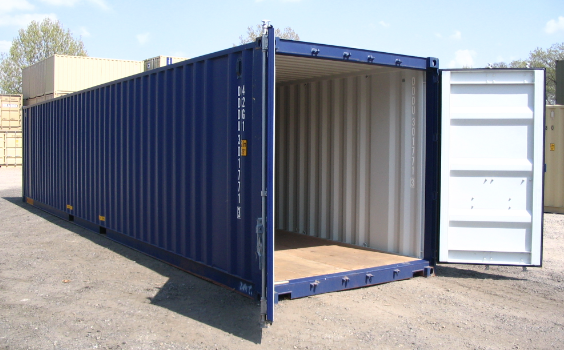
In the ever-evolving landscape of modern business, adaptability and efficiency are crucial. Commercial modular buildings offer a versatile solution to these demands, providing a wide array of options to suit various business needs. These prefabricated structures are designed to be flexible, cost-effective, and sustainable, catering to industries ranging from education and healthcare to retail and office spaces. As businesses look to expand or optimize their spaces, modular buildings present an attractive proposition, combining speed, quality, and customization. This article explores the benefits, applications, and considerations of commercial modular buildings, offering insights into why they are becoming an increasingly popular choice.
Benefits of Commercial Modular Buildings
Modular buildings offer numerous advantages that make them a preferred choice for many businesses:
- Cost-Effectiveness: Prefabricated components reduce construction costs significantly.
- Time Efficiency: Faster construction timelines mean businesses can operate sooner.
- Flexibility: Easily reconfigured or expanded to meet changing needs.
- Sustainability: Often constructed using eco-friendly materials with minimal waste.
- Quality Control: Built in controlled environments, ensuring high quality and adherence to standards.
Find additional information on the benefits here.
Applications Across Industries
Education
Educational institutions often face space constraints due to increasing enrollments. Modular classrooms provide a rapid solution, offering durable and adaptable spaces for students and faculty. Whether for temporary or permanent use, these structures can be customized to meet specific educational needs.
Healthcare
The healthcare sector requires adaptable spaces to respond to varying patient volumes and needs. Modular buildings can serve as patient rooms, clinics, or administrative offices, providing safe and sterile environments essential for medical use. Read more about this topic.
Retail and Commercial Spaces
For retail businesses looking to expand or adapt quickly to market changes, modular buildings offer a flexible and scalable solution. These structures can be customized for a variety of uses, from pop-up shops to permanent retail spaces, allowing businesses to maintain a dynamic presence.
Explore further insights here on how modular buildings can transform retail spaces.
Considerations for Implementing Modular Buildings
When considering modular buildings for commercial use, several factors should be taken into account:
- Site Preparation: Ensure the site is appropriately prepared to accommodate modular units.
- Regulations and Permits: Compliance with local building codes and obtaining necessary permits is essential.
- Customization Needs: Consider the specific requirements of your business to ensure the modular building meets your needs.
- Long-term Strategy: Evaluate how modular buildings fit into your long-term business plans and scalability goals.
Learn more in this detailed guide on modular building implementation here.
Conclusion
Commercial modular buildings are redefining how businesses approach space utilization and expansion. With benefits like cost-effectiveness, speed, and flexibility, they provide a viable solution for various industries looking to adapt and grow in a competitive environment. As businesses continue to seek innovative ways to enhance their operations, modular buildings stand out as a strategic choice that aligns with the demands of modern commerce. For those considering this option, understanding the intricacies and applications of modular structures can lead to informed decisions that support long-term success.