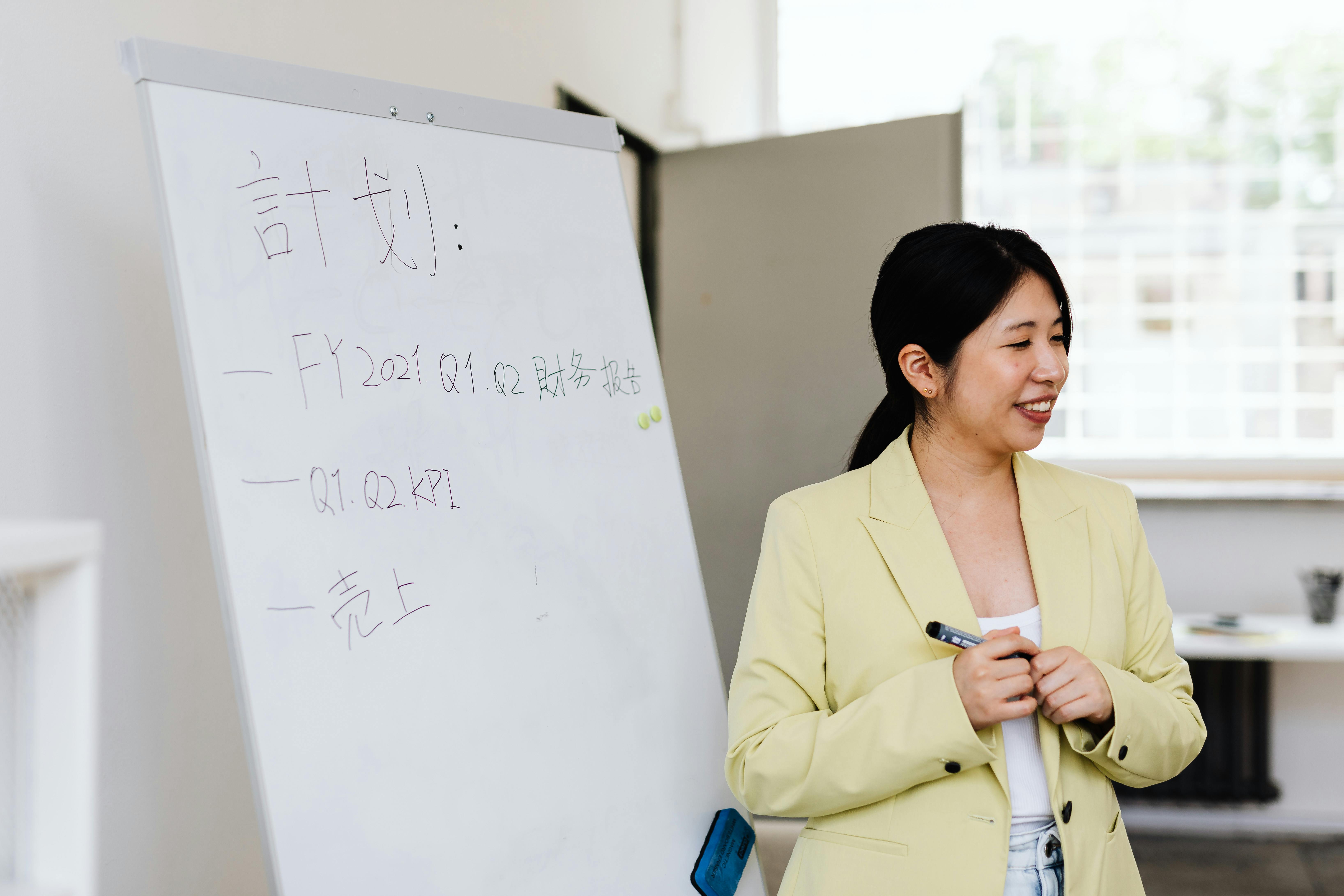
Building high-performance teams is a cornerstone of organizational success in today’s fast-paced business environment. The ability to harness individual talents and align them towards a common goal can significantly impact productivity, innovation, and overall team morale. One of the most effective ways to achieve this synergy is through strategic coaching, which not only enhances individual skills but also fosters a culture of continuous improvement and collaboration.
The Role of Coaching in Team Development
Coaching plays a pivotal role in empowering teams to reach their full potential. It involves guiding team members to develop their skills, overcome personal and professional challenges, and align with the team’s objectives. Here are some key aspects of coaching in team development:
- Skill Enhancement: Coaching helps individuals identify and hone their skills, leading to improved performance and productivity.
- Goal Alignment: It ensures that personal goals are aligned with the team?s objectives, fostering a cohesive working environment.
- Problem Solving: Through coaching, teams can cultivate effective problem-solving strategies, enhancing their ability to tackle challenges collaboratively.
- Feedback and Growth: Regular feedback is vital for personal and professional growth, and coaching provides a structured platform for this exchange.
To delve deeper into how coaching can transform team dynamics, discover expert strategies here.
Implementing Coaching Strategies
Identifying Team Needs
Before implementing coaching strategies, it is crucial to assess the specific needs and dynamics of the team. This involves understanding the team’s strengths, weaknesses, and areas for improvement. Conducting a thorough needs analysis can provide valuable insights into the most effective coaching approaches.
Customizing Coaching Approaches
Tailored coaching approaches are essential for addressing the unique challenges faced by different teams. Customization ensures that coaching interventions are relevant and impactful. Learn about our tailored solutions that can be adapted to various team settings.
Continuous Evaluation and Feedback
The effectiveness of coaching strategies must be continuously evaluated to ensure they meet the team’s evolving needs. Regular feedback sessions and performance assessments can guide the necessary adjustments in coaching methods, ensuring sustained team development. Explore advanced guides and tips for implementing effective feedback mechanisms.
Benefits of Coaching for High-Performance Teams
The benefits of integrating coaching into team development strategies are manifold. High-performance teams benefit from:
- Improved Communication: Coaching enhances communication skills, promoting clarity and reducing misunderstandings.
- Increased Engagement: Team members are more engaged and motivated when they feel supported and valued through coaching.
- Enhanced Innovation: A coaching culture encourages creative thinking and innovation, allowing teams to explore new ideas and solutions.
- Stronger Team Cohesion: As individuals grow through coaching, the team becomes more cohesive and aligned towards common goals.
To understand more about the advantages of coaching in building high-performance teams, find out more about this approach.
Conclusion
Building high-performance teams through coaching is not merely about improving individual capabilities; it’s about fostering a culture of trust, innovation, and collaboration. By implementing well-structured coaching strategies, organizations can not only enhance team performance but also drive sustainable success. The journey towards high-performance teams begins with a commitment to development and growth, ensuring that each team member is empowered to contribute their best.