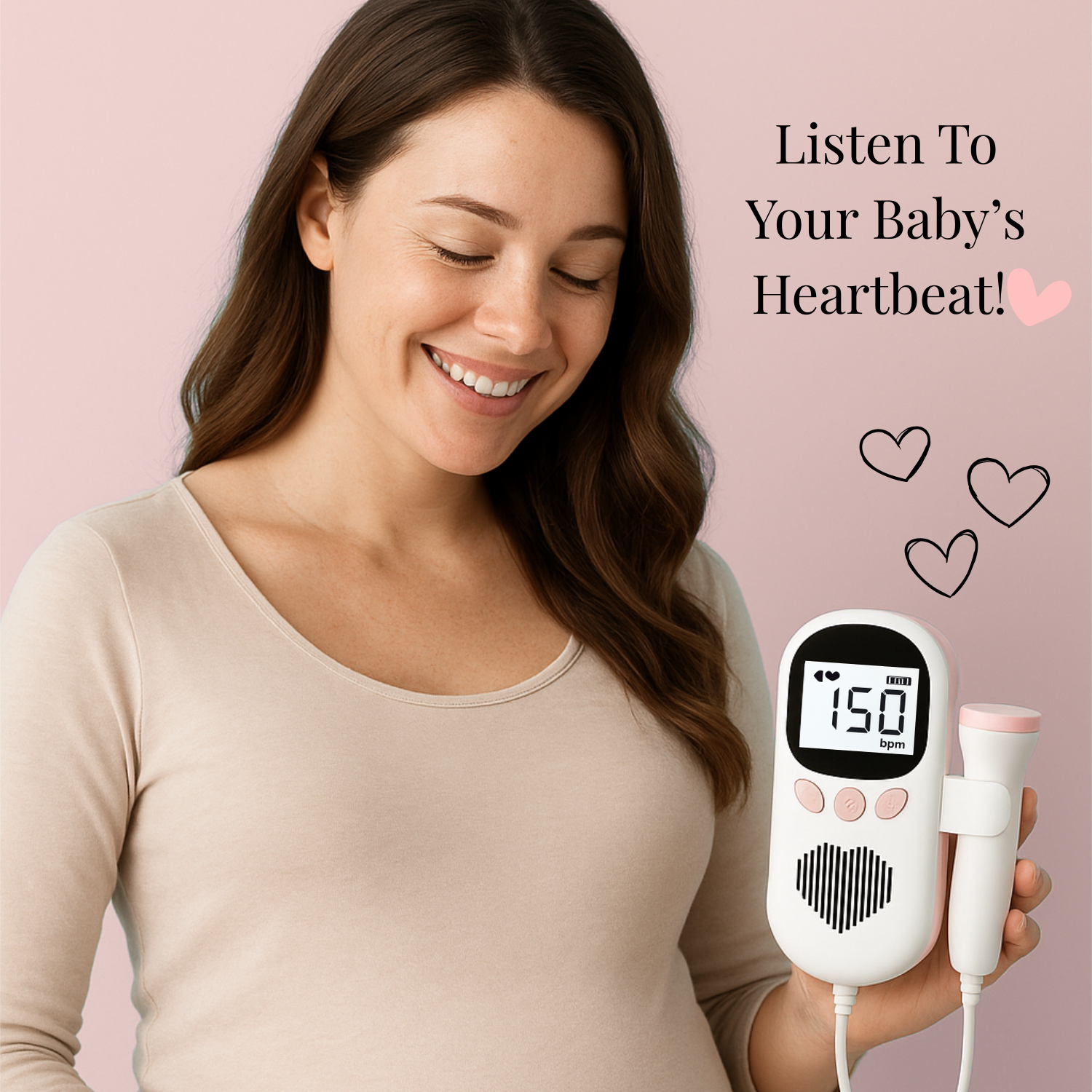
Anticipating the arrival of a new baby is a joyous experience, but it can also bring about a certain level of anxiety for expectant parents. Monitoring the baby’s heartbeat is a common way to gain reassurance about the baby’s health. A baby heartbeat monitor can be an invaluable tool, providing peace of mind during pregnancy. However, with a range of options available on the market, selecting the right monitor can be overwhelming. This guide aims to provide comprehensive insights into choosing the best baby heartbeat monitor for your needs.
Understanding Baby Heartbeat Monitors
Baby heartbeat monitors, also known as fetal dopplers, are devices designed to detect and amplify the sound of a baby’s heartbeat in utero. These devices allow parents to listen to their baby’s heart, providing comfort and connection during the pregnancy journey.
Types of Baby Heartbeat Monitors
- Handheld Dopplers: Portable and battery-operated, these devices are commonly used at home for regular heartbeat checks.
- App-Based Monitors: These modern devices connect to smartphones or tablets, offering additional features like recording and sharing heartbeat sounds.
- Hospital-Grade Monitors: Typically used in clinical settings, these offer the highest accuracy but are not generally available for home use.
Key Features to Consider
When selecting a baby heartbeat monitor, it’s essential to consider various features to ensure it meets your needs and preferences. Here are some critical factors to take into account:
Accuracy and Sensitivity
- Look for monitors with high sensitivity to detect the heartbeat as early as possible, typically from 8-12 weeks of pregnancy.
- Ensure the monitor provides clear and consistent audio output to avoid misinterpretation.
Ease of Use
- Opt for a user-friendly device with straightforward controls and an easy-to-read display.
- Consider monitors with ergonomic designs for comfortable handling during use.
Portability and Battery Life
- Lightweight and compact designs are ideal for on-the-go use.
- Check for long-lasting battery life to avoid frequent recharging or battery replacements.
Additional Considerations
Beyond the basic features, there are additional aspects to consider when choosing a baby heart doppler.
Safety and Regulations
- Ensure the device complies with safety standards and is approved by relevant health authorities.
- Be cautious of excessive use; consult with a healthcare provider for recommended usage guidelines.
Cost and Warranty
- Prices can vary significantly; set a budget that aligns with the desired features and quality.
- Look for devices that offer a warranty or satisfaction guarantee for added security.
Conclusion
Selecting the right baby heartbeat monitor involves careful consideration of various factors, including type, features, and additional considerations like safety and cost. By understanding these elements, expectant parents can make informed decisions that offer reassurance and enhance the prenatal experience. For those seeking reliable and high-quality options, exploring offerings from reputable sources can provide the confidence needed in this important purchase.
Whether opting for a traditional handheld doppler or a modern app-based monitor, the ultimate goal is to foster a connection with the unborn child and ensure peace of mind during this exciting journey.