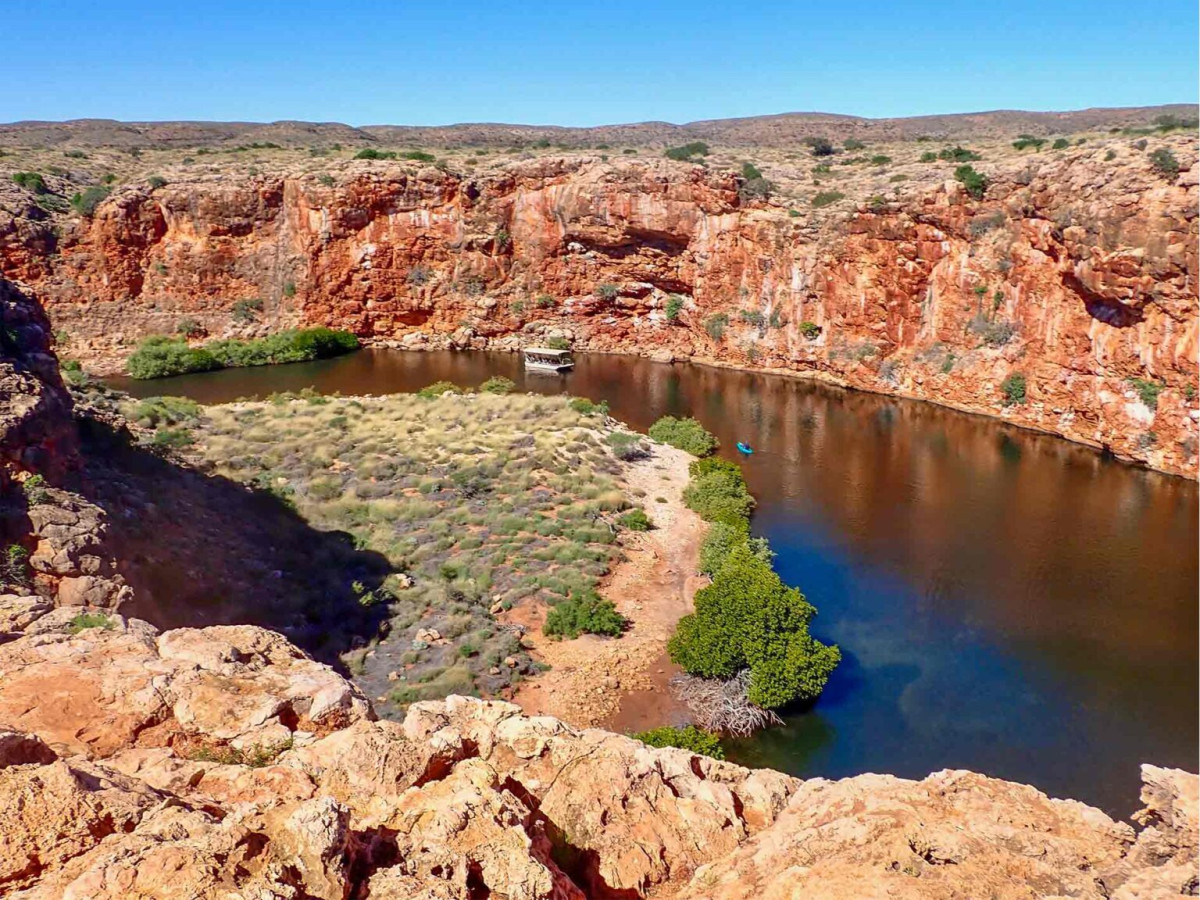
Ningaloo Reef, a UNESCO World Heritage site, is one of the most pristine and bio-diverse marine ecosystems globally. Located on the western coast of Australia, it offers visitors a unique opportunity to explore vibrant coral formations, swim alongside whale sharks, and experience the beauty of the Indian Ocean. However, timing your visit is crucial to maximizing your experience. This article explores the best times to visit Ningaloo Reef based on weather, marine life activity, and tourist seasons, helping plan a memorable adventure.
Climate and Weather Considerations
The Ningaloo Coast experiences a tropical climate with two distinct seasons: the dry season from April to October and the wet season from November to March. Understanding the climate is essential when planning a visit.
- Dry Season (April to October): This is considered the best time for outdoor activities, with mild temperatures and minimal rainfall. The weather is generally warm and pleasant, making it ideal for snorkeling, diving, and other marine adventures.
- Wet Season (November to March): Characterized by hot and humid conditions, this period sees higher chances of rain and tropical storms. While the wet season can offer fewer crowds, the weather might limit outdoor activities.
For those seeking an optimal balance of pleasant weather and marine life activity, planning a visit during the dry season is advisable. Discover expert strategies here for more insights on choosing the right time.
Marine Life Activity
Ningaloo Reef is renowned for its rich marine biodiversity. The timing of your visit can significantly impact the types of wildlife encounters you experience.
- Whale Sharks (March to July): These gentle giants are the highlight of Ningaloo Reef. The best time to swim with whale sharks is during their annual migration from March to July.
- Humpback Whales (June to November): Witness the majestic migration of humpback whales. This period offers a spectacular whale-watching experience as these magnificent creatures journey along the coast.
- Turtle Nesting and Hatching (November to March): The wet season is a crucial time for turtle conservation, as several species come ashore to nest, with hatchlings making their way to the sea.
Tailoring your visit to align with specific marine life events can enhance your experience. Learn about our tailored solutions for witnessing these incredible phenomena.
Tourist Seasons and Crowds
The popularity of Ningaloo Reef means that certain times of the year can be busier than others. Understanding tourist seasons can help plan a visit that aligns with personal preferences.
- Peak Tourist Season (April to July): Coinciding with the dry season and whale shark migration, this period sees the highest visitor numbers. Early bookings are recommended for accommodations and tours.
- Off-Peak Season (August to March): Offers a quieter experience with fewer crowds. While the weather might be more variable, visitors can enjoy a more tranquil exploration.
For those seeking a balance between activity choices and crowd levels, the shoulder months of April and October can provide an ideal compromise. Explore advanced guides and tips for navigating tourist seasons effectively.
Final Thoughts
Ningaloo Reef offers a breathtaking array of natural wonders, and timing your visit can ensure a rewarding experience. Whether you’re drawn by the allure of swimming with whale sharks or the serenity of a less crowded coastal retreat, understanding the nuances of weather, marine life, and tourist patterns is key. Find out more about this approach to crafting the perfect itinerary for your adventure to this marine paradise.