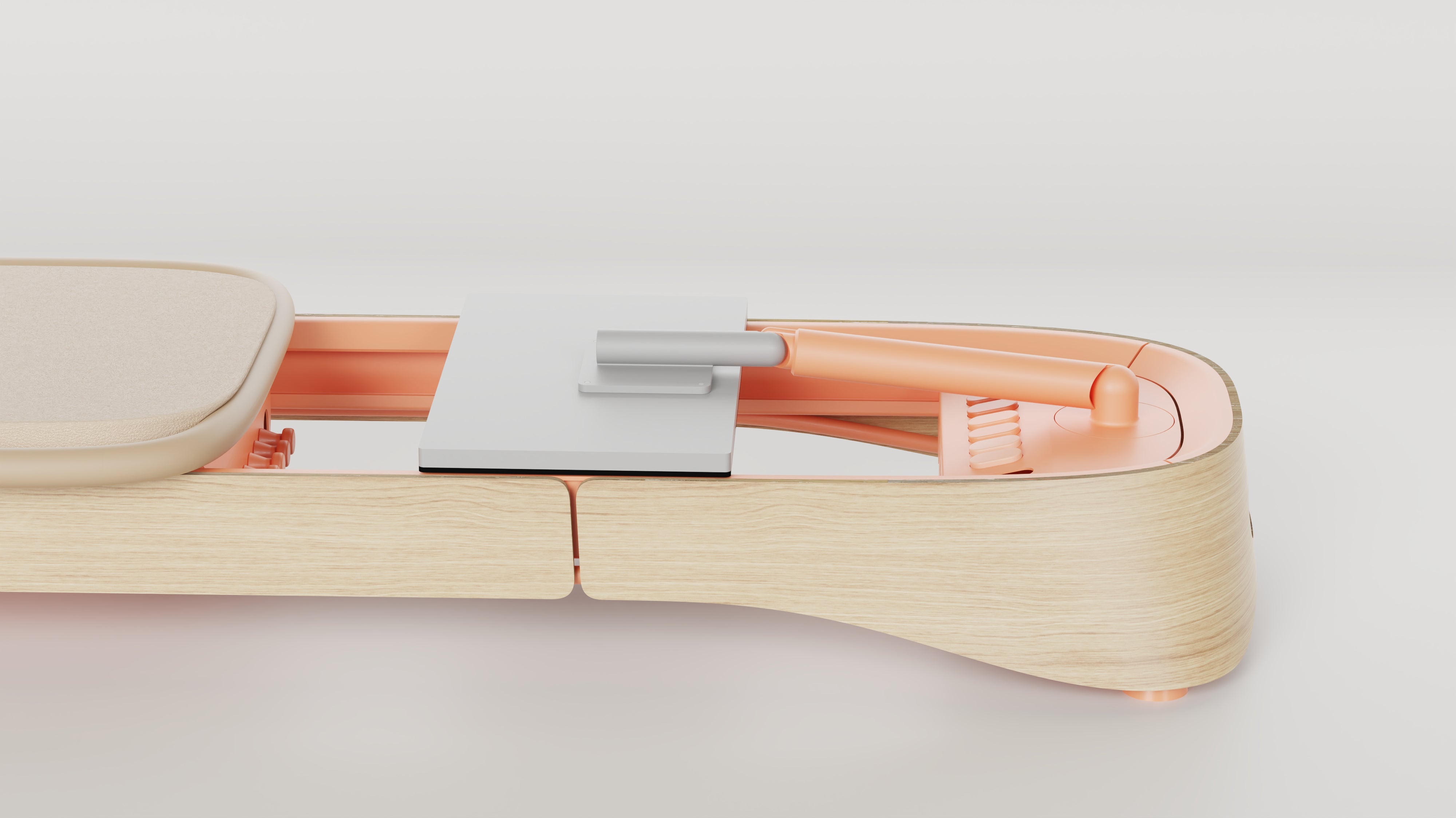
Pilates reformer training has moved from boutique studios into living rooms, thanks to compact, quiet machines that deliver studio-level resistance without sacrificing space. Whether you are a complete beginner or an experienced practitioner, a well-designed home program can improve core stability, flexibility, and functional strength while fitting into a busy schedule. The following guide outlines progressive workout structures, safety tips, and equipment considerations so you can create a sustainable routine on a reformer pilates machine that matches your skill level.
Choosing the Right Reformer for Home Use
Before diving into workouts, it’s essential to select a machine that aligns with your goals, budget, and space constraints. Modern reformers often include adjustable springs, a sliding carriage, and optional accessories such as footbars or a built-in screen. When evaluating options, keep these factors in mind:
- Weight capacity and carriage glide quality – smoother glides reduce joint strain.
- Adjustable resistance ranges – essential for scaling from beginner to advanced.
- Footprint and storage – fold-away designs suit smaller apartments.
- Integrated technology – some models feature a reformer machine pilates with screen for guided classes.
For a balance of performance and value, many users find the best pilates reformer for home offers a sturdy frame, quiet belt drive, and a sleek aesthetic that blends with home d??cor.
Program Structure by Skill Level
Beginner: Building Foundations (2-3 sessions per week)
Newcomers should focus on mastering basic alignment, breathing, and the fundamental movement patterns of the reformer.
- Warm-up (5-7 min): Cat-cow on the carriage, gentle spine flexion, and shoulder rolls.
- Core activation (10 min): Footwork on the straps – parallel, V-shape, and single-leg variations.
- Leg series (12 min): Hundred on the reformer, short box series, and knee-stretch (heels-up).
- Cool-down (5 min): Supine spinal twist and hamstring stretch on the carriage.
These movements develop proprioception and prepare the body for more demanding work. A home pilates reformer with light springs (e.g., 2-4 lbs) is ideal for this stage.
Intermediate: Adding Complexity (3-4 sessions per week)
Once basic patterns feel comfortable, introduce multi-joint sequences, increased resistance, and longer holds.
- Dynamic warm-up (8 min): Plank to knee-stretch, side-lying leg series.
- Strength block (15 min): Long box work – back extension, swimming, and teaser variations.
- Coordination block (12 min): Jumpboard cardio intervals or “running” on the carriage.
- Flexibility block (8 min): Standing split, hamstring roll-down, and hip opener on the footbar.
At this level, a reformer pilates home with medium-range springs (5-8 lbs) provides the necessary challenge without compromising form.
Advanced: Mastery and Performance (4-5 sessions per week)
Advanced practitioners can combine high-intensity cardio, deep core work, and full-body integration. Emphasis shifts toward precision, breath control, and progressive overload.
- Power warm-up (10 min): Jumpboard sprints, high-intensity footwork.
- Core power (15 min): Advanced teaser, double-leg kick, and side-lying series with added resistance.
- Full-body flow (20 min): Long box roll-up to push-up, standing split with arm pulleys, and “swan dive” on the carriage.
- Recovery (5 min): Gentle spinal articulation and deep breathing on the reformer.
For these demanding sessions, a best at home pilates reformer equipped with heavy springs (10-12 lbs) and a sturdy frame ensures safety and durability.
Safety and Technique Tips
- Always check that the carriage is locked before mounting or dismounting.
- Maintain neutral spine alignment; avoid excessive lumbar flexion during leg work.
- Progress resistance gradually – the “feel” of the spring should never compromise control.
- Use a non-slip mat under the footbar if the surface is polished wood.
- Stay hydrated and listen to your body; soreness is normal, sharp pain is not.
Integrating Technology and Guided Classes
Many modern reformers feature a built-in screen or Bluetooth connectivity, allowing seamless streaming of professional classes. Selecting a model like the pilates reformer machine with screen can eliminate the need for separate devices and keep the workout area tidy. When using guided sessions, match the class intensity with your current spring settings to avoid over-loading.
Cost Considerations and Value
Investing in a quality machine can range widely. A basic price pilates reformer may start around a few hundred dollars, while premium models with digital interfaces can approach the higher end of the market. To assess value, compare:
- Warranty length and service options.
- Included accessories (footbar, straps, jumpboard).
- Customer reviews focusing on durability and noise level.
For those budgeting carefully, the phrase how much is a pilates machine often leads to a range that helps set realistic expectations. Remember that a well-built reformer can last a decade, making it a cost-effective addition to any home fitness suite.
Putting It All Together: Sample Weekly Schedule
| Day | Focus | Duration |
|---|---|---|
| Monday | Beginner Core & Flexibility | 30″?min |
| Tuesday | Rest or Light Stretch | , |
| Wednesday | Intermediate Strength & Cardio | 45″?min |
| Thursday | Mobility Flow | 30″?min |
| Friday | Advanced Power Series | 60″?min |
| Saturday | Active Recovery (Yoga on Reformer) | 20″?min |
| Sunday | Rest | , |
Conclusion
Creating an effective home Pilates routine hinges on selecting the appropriate reformer machine, structuring workouts that evolve with skill level, and adhering to safety fundamentals. By following the progressive programs outlined above, practitioners can enjoy the benefits of studio-quality training without leaving the house. Whether the goal is gentle core activation or high-intensity full-body conditioning, a thoughtfully chosen reformer, whether described as a frame fitness reformer or a wooden pilates reformer, provides a versatile platform for lifelong movement health.