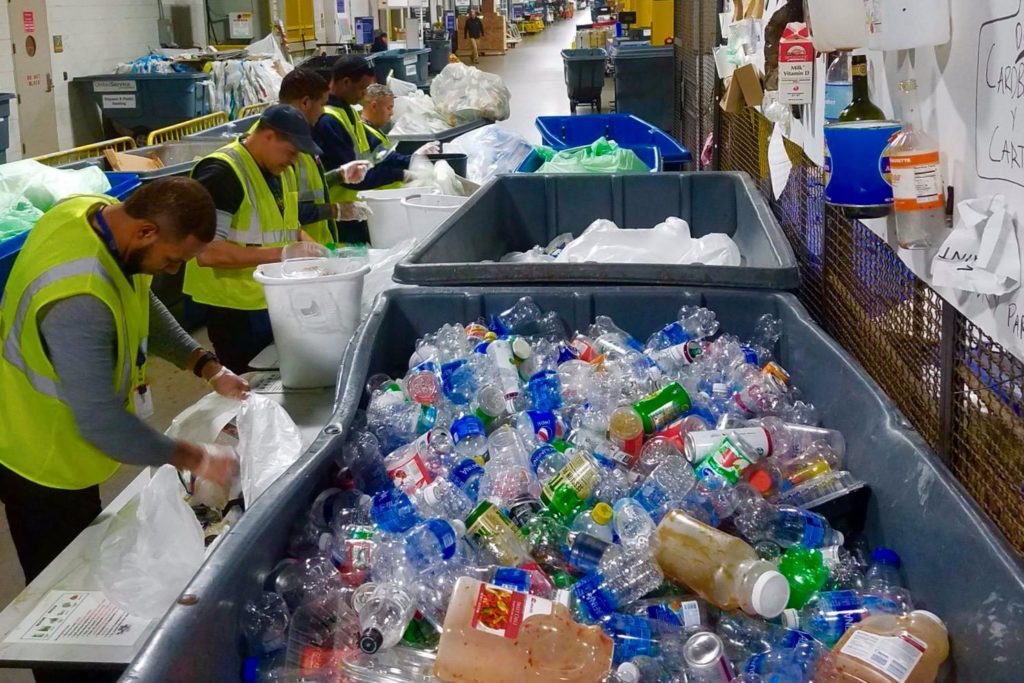
Sustainable Solutions for Business Waste Management
Introduction
In today’s rapidly evolving world, businesses are increasingly prioritizing sustainability, not only as a corporate social responsibility but as a key differentiator in the competitive market. A significant aspect of this sustainable approach is efficient waste management. Companies are recognizing the importance of adopting innovative strategies to manage their waste sustainably. This article explores sustainable solutions for business waste management, offering insights into how businesses can minimize their environmental impact while optimizing their operations.
Understanding the Importance of Sustainable Waste Management
Managing waste sustainably is vital for businesses aiming to reduce their carbon footprint and contribute positively to environmental conservation. Sustainable waste management involves:
- Reducing the amount of waste generated at the source.
- Reusing materials whenever possible.
- Recycling waste to convert it into valuable resources.
- Composting organic waste to enrich soil nutrition.
Implementing these strategies not only helps in conserving natural resources but also enhances a company’s brand reputation and can lead to significant cost savings.
Effective Strategies for Business Waste Management
1. Conducting a Waste Audit
Before implementing any waste management strategy, businesses should conduct a comprehensive waste audit. This process involves:
- Identifying the types and sources of waste generated.
- Assessing the quantity of waste produced.
- Understanding the current waste disposal practices.
A waste audit provides valuable insights that can guide the development of targeted waste reduction strategies.
2. Implementing a Waste Hierarchy
Adopting a waste hierarchy approach helps prioritize actions that prevent waste generation. The hierarchy typically includes:
- Prevention: Avoiding waste creation through efficient processes and product design.
- Reduction: Minimizing waste through improved resource efficiency.
- Reuse: Extending the life of products by reusing them.
- Recycling: Converting waste into new products or materials.
- Energy Recovery: Harnessing energy from waste that cannot be recycled.
- Disposal: The last resort for waste that cannot be managed through other means.
3. Partnering with Professional Waste Management Services
Engaging with commercial waste management services ensures that businesses benefit from expert knowledge and resources. These services provide tailored solutions that align with a company’s sustainability goals, helping them manage waste more efficiently and responsibly.
4. Employee Engagement and Education
Employees play a crucial role in a company’s waste management efforts. Thus, it is essential to:
- Provide regular training on waste management practices and sustainability initiatives.
- Encourage employee participation in waste reduction programs.
- Reward innovative ideas and contributions towards waste reduction.
Educating employees fosters a culture of sustainability and enhances the overall effectiveness of waste management strategies.
Innovative Technologies in Waste Management
The integration of technology into waste management processes has opened new avenues for sustainability. Some of the innovative technologies include:
- Smart waste bins equipped with sensors to monitor waste levels and optimize collection routes.
- Advanced recycling technologies that improve the sorting and processing of recyclable materials.
- AI-driven analytics platforms that provide insights into waste generation patterns and help optimize waste management strategies.
These technologies not only streamline waste management operations but also contribute to resource efficiency and cost-effectiveness.
Conclusion
Sustainable waste management is more than just a trend; it is a necessary shift towards a more responsible and environmentally conscious business model. By implementing effective waste management strategies, conducting regular waste audits, leveraging innovative technologies, and engaging employees, businesses can significantly reduce their environmental impact. In doing so, they not only comply with regulatory requirements but also position themselves as leaders in sustainability, ultimately benefiting both their bottom line and the planet.