Basements serve as the foundation of any home, providing additional space and structural support. However, they are often subject to moisture issues, which can lead to a host of problems if left unaddressed. Water intrusion in basements is a common issue, and ignoring it can result in costly damages, health risks, and structural instability. A wet basement inspection is a critical step in identifying and addressing these issues early on. This article will explore the key benefits of conducting a thorough inspection, helping homeowners safeguard their properties.
Why a Wet Basement Inspection is Essential
Conducting a basement water inspection is crucial for several reasons:
- Early Detection: Identifying water issues early can prevent extensive damage and costly repairs.
- Health Safety: Moist environments can lead to mold and mildew growth, posing health risks to inhabitants.
- Property Value: Maintaining a dry, well-inspected basement enhances property value and appeal.
Common Signs of Basement Water Issues
Recognizing the signs of potential water damage early can save homeowners from significant headaches. Here are some indicators that a professional water damage inspector might look for:
- Water Stains: Discoloration on walls and floors often signals water intrusion.
- Musty Odor: A persistent damp smell can indicate mold or mildew presence.
- Efflorescence: White, powdery deposits on walls suggest water seepage through masonry.
- Cracks: Structural cracks in walls or floors can lead to water penetration.
Benefits of Professional Basement Inspections
Comprehensive Assessment
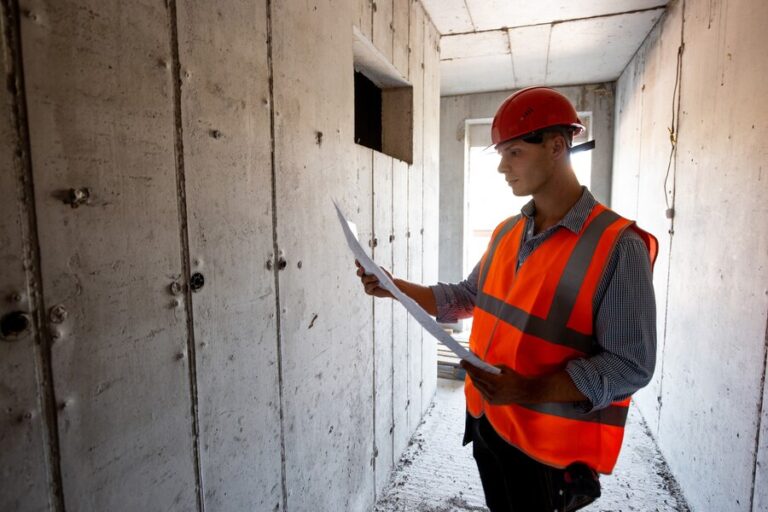
Professional inspectors provide a detailed analysis of the basement, identifying both apparent and hidden issues. Their expertise allows them to pinpoint the source of water problems, whether it’s due to poor drainage, foundation cracks, or other factors. A basement inspector can offer valuable insights and recommendations for remediation.
Preventive Measures
Beyond mere identification, professionals offer solutions to prevent future water problems. This can include advising on basement waterproofing inspection techniques, recommending moisture barriers, or suggesting changes to landscaping to enhance drainage.
Cost Efficiency
Investing in a wet basement inspection can save money in the long run. By addressing issues before they become severe, homeowners can avoid expensive repairs and potential decreases in property value.
Steps to Take After Identifying Water Issues
Once water issues have been identified, taking prompt action is crucial:
- Repair and Seal: Immediately repair any structural damage and seal cracks to prevent further water ingress.
- Waterproofing Solutions: Implement waterproofing measures, such as installing sump pumps or drainage systems.
- Monitor and Maintain: Regularly check the basement for signs of moisture and maintain any installed water management systems.
Conclusion
Ignoring basement water issues can lead to serious consequences for homeowners, from health risks to financial burden. Conducting a thorough basement water inspection is a proactive step that protects the integrity of a home and ensures a safe living environment. By recognizing the signs of water problems and enlisting professional help, homeowners can effectively manage and prevent basement water issues, ensuring peace of mind and the longevity of their property.